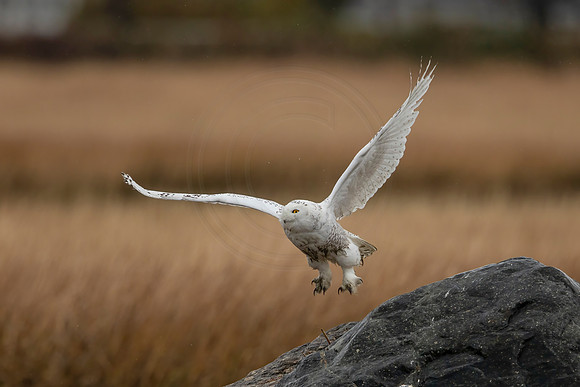
Photographing Snowy Owls
Ghosts of the Winter Shore: Photographing Snowy Owls
Few winter wildlife encounters feel as magical as spotting a Snowy Owl perched quietly against a backdrop of snow, dunes, or icy shoreline. These striking white owls feel almost otherworldly — silent, powerful, and perfectly adapted to some of the harshest environments on Earth.
Snowy Owls are not guaranteed visitors every winter, which makes each sighting feel even more special. When they do arrive, it’s a reminder of just how far these birds travel — and how important it is that we photograph them with patience, respect, and care.
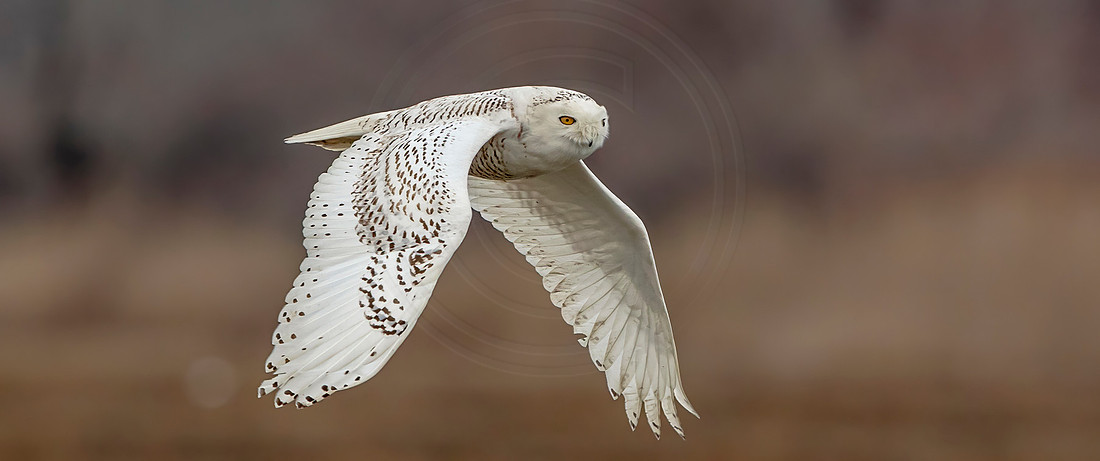

🦉 Life in the Arctic Tundra
Snowy Owls (Bubo scandiacus) are native to the Arctic tundra, where they spend the warmer months breeding and raising their young.
Habitat
Their Arctic home is vast, open, and treeless — a landscape of:
-
Tundra plains
-
Low vegetation
-
Rocky outcroppings
Unlike many owls, Snowy Owls prefer wide-open spaces with long sightlines, which allow them to spot prey from a distance.
Diet
In the Arctic, Snowy Owls primarily feed on:
-
Lemmings (their main food source)
-
Small rodents
-
Occasionally birds
Lemming populations fluctuate naturally, and these cycles play a major role in Snowy Owl breeding success and migration patterns.
🐣 Breeding & Nesting
Snowy Owls nest directly on the ground, often choosing slightly elevated areas that offer good visibility.
-
Breeding occurs late spring through summer
-
Females scrape shallow depressions in the tundra for nests
-
Clutch sizes vary greatly depending on food availability
-
In strong lemming years, a pair may raise many chicks
-
In poor food years, they may not breed at all
This flexibility is a survival strategy in a challenging environment.
❄️ Winter Migration & Irruption Years
As winter approaches and Arctic food sources become scarce, many Snowy Owls migrate south. Their winter range can include:
-
The Northeast coastline
-
Northern and central U.S. states
-
Open fields, airports, beaches, and marshes
Some years, Snowy Owls appear in much greater numbers farther south than usual. These events are known as irruption years and typically occur once every few years. Irruptions are often tied to fluctuations in Arctic prey populations, especially lemmings.
When irruptions happen, Snowy Owls may be seen in places where they are rarely observed — making these winters unforgettable for birders and photographers alike.
📸 Photographing Snowy Owls Responsibly
Photographing Snowy Owls is incredibly rewarding, but it comes with responsibility.
Daily Behavior
-
Snowy Owls are most active at dawn and dusk
-
These are their primary hunting times
-
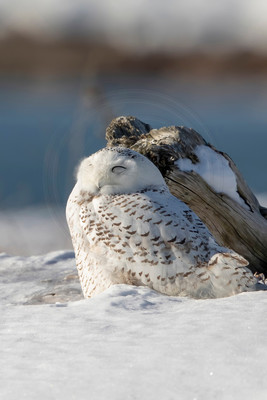
During the day, they often sleep or rest
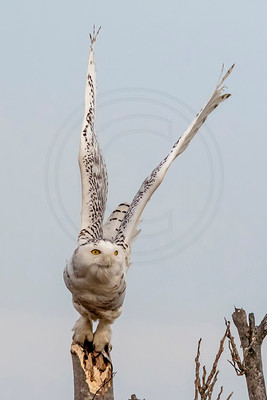
Because their journey south is long and energy-intensive, rest is critical. Harassing an owl — even unintentionally — can disrupt its ability to hunt and recover.
Respect & Distance
-
Never approach too closely
-
Always observe body language
-
Signs of stress include:
-
Head bobbing
-
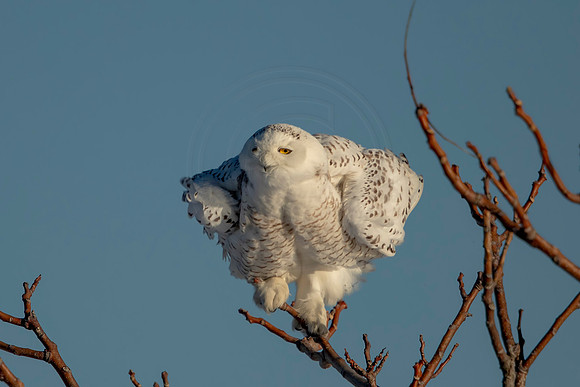
Wing lifting
-
Repeated repositioning
-
Flushing or flying away
-
If you see these behaviors, back up immediately.
Snowy Owls need to conserve energy to survive the winter. Our photographs are never worth stressing a bird.
🧥 Preparing for the Conditions
Searching for Snowy Owls often means enduring:
-
Extremely cold temperatures
-
Strong coastal winds
-
Long walks on sandy beaches
Layering is essential. Warm, wind-resistant clothing, insulated boots, gloves, and hats make a huge difference — not just for comfort, but for safety and endurance.
🔭 Gear & Ethics
Snowy Owl photography is one situation where long focal lengths are essential.
-
A telephoto lens of at least 400mm is strongly recommended
-
Keeping distance protects the owl and results in more natural behavior
My personal setup:
-
Canon 500mm lens
-
1.4x teleconverter, giving me 700mm reach
This allows me to photograph Snowy Owls while fully respecting their space — something I believe is critical when working with a species that has traveled thousands of miles to reach us.
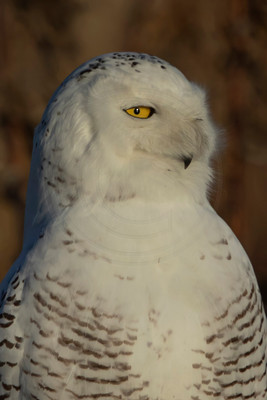
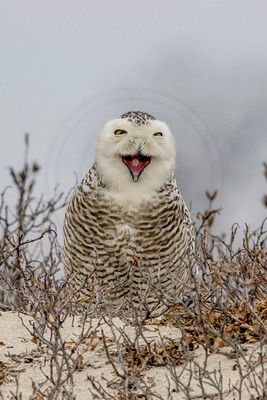
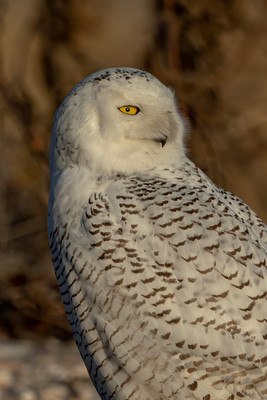
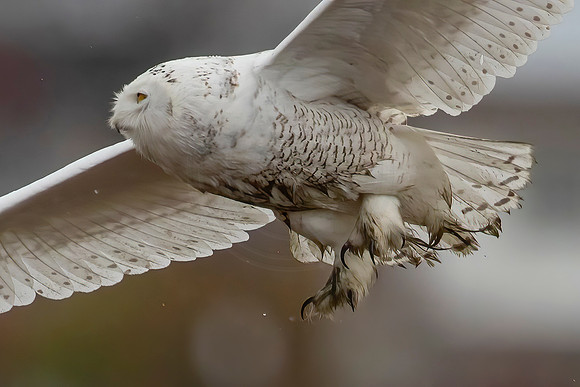
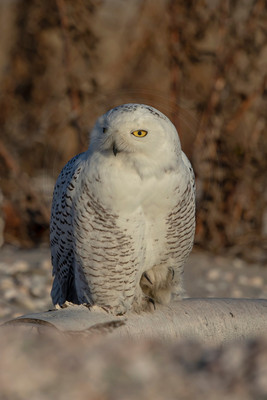
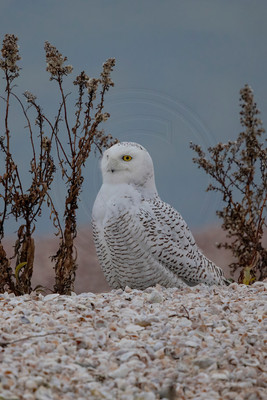
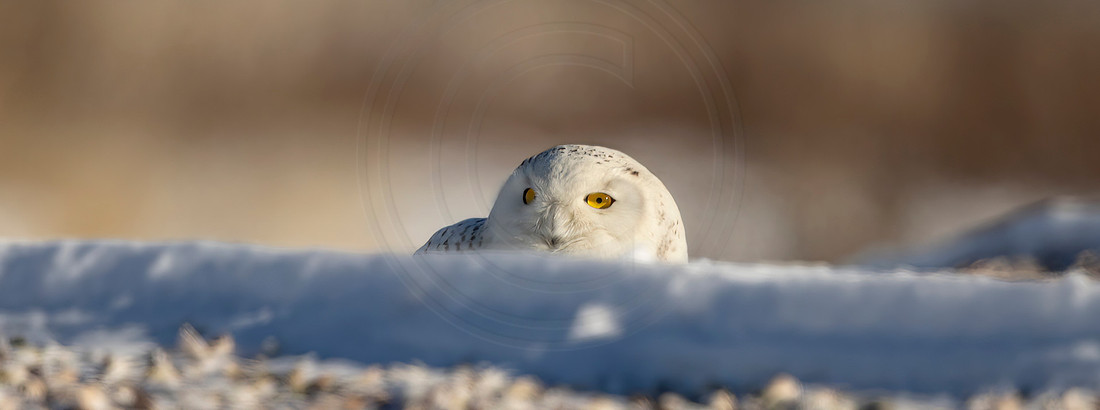
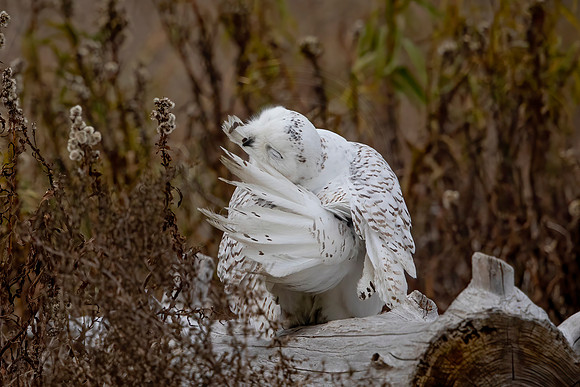
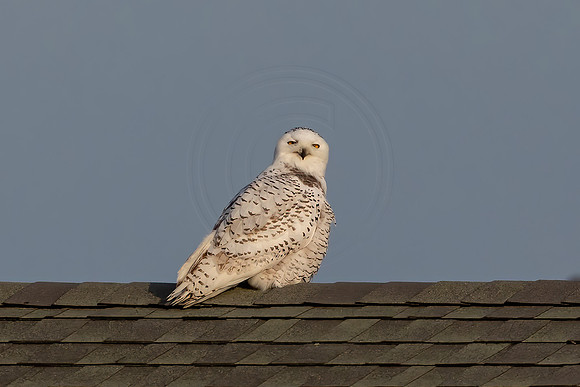
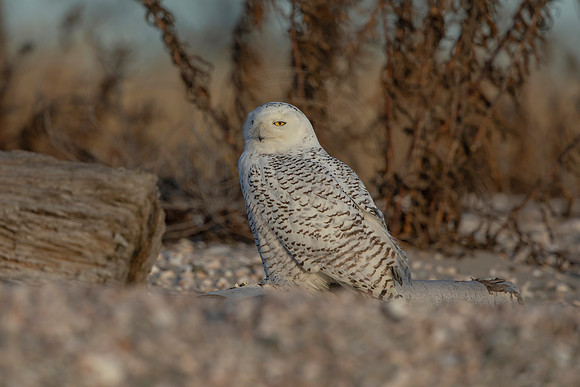
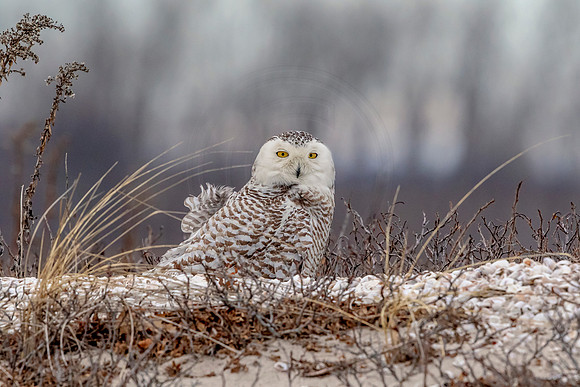
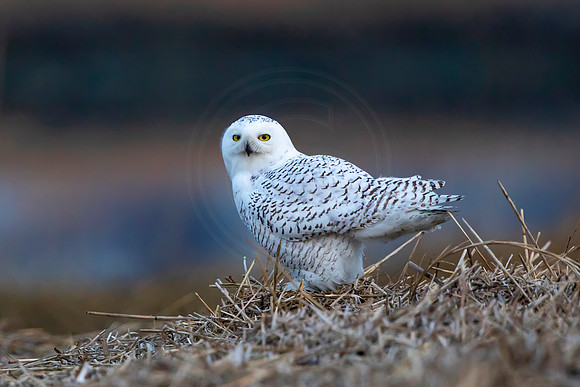
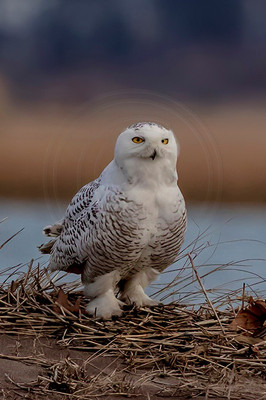
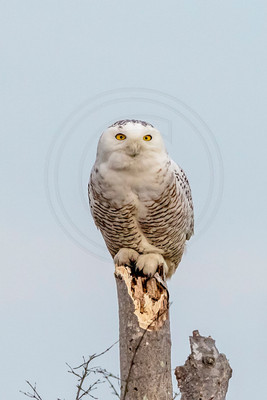
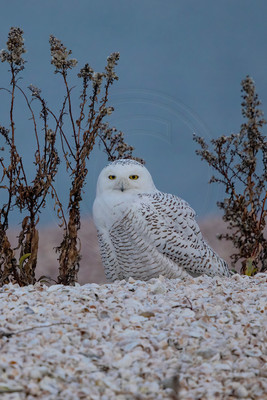
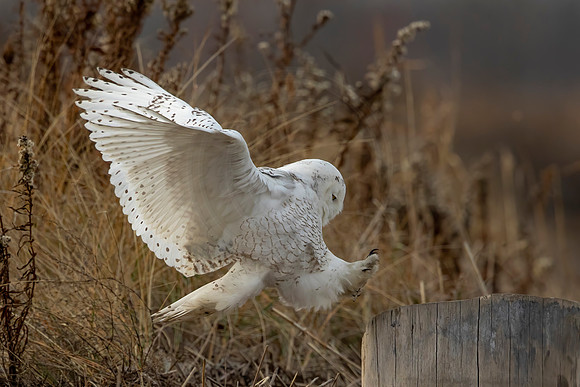
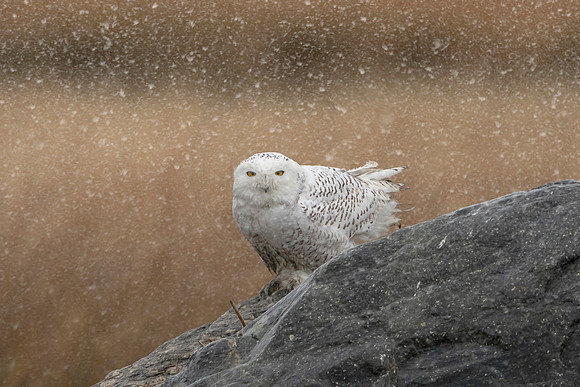
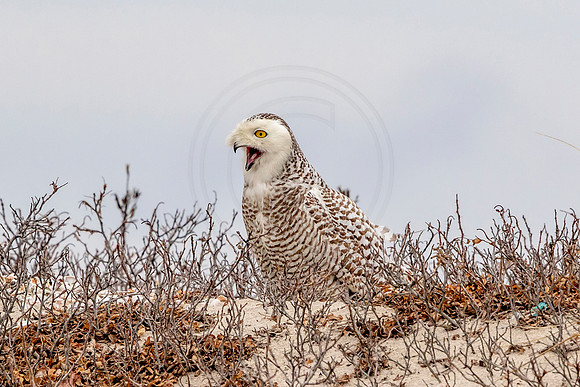
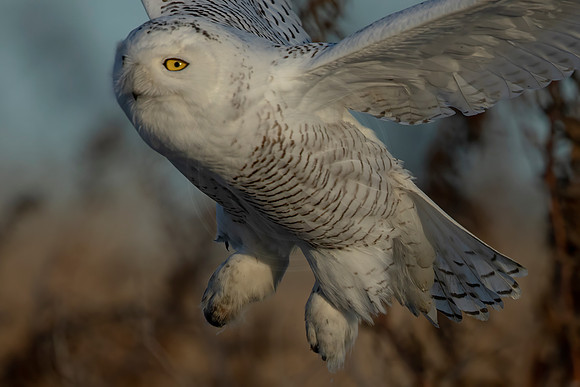
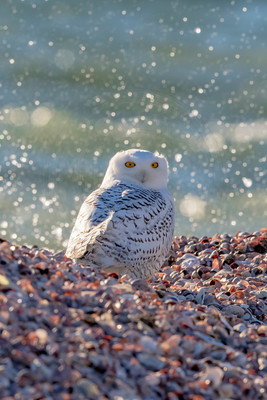
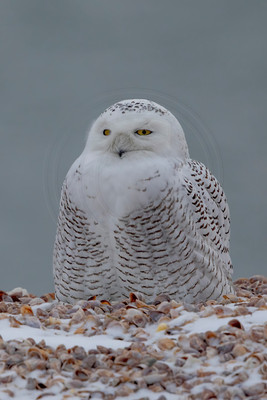
Note: Every photo featured in this blog was not only taken at 700mm, but also has a HUGE crop.
🖤 A Privilege, Not a Guarantee
Snowy Owls are not annual visitors for many of us. We only get to see them during certain winters, and even then, sightings are never guaranteed.
That rarity is part of what makes them so special.
When a Snowy Owl graces our beaches or fields, it’s a privilege — one that comes with responsibility. By giving them space, allowing them to rest, and photographing them ethically, we ensure that these incredible birds can continue their journey safely.
And when you finally lock eyes with one — glowing yellow against white feathers — it’s a moment you never forget.