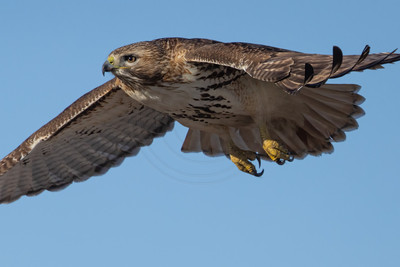
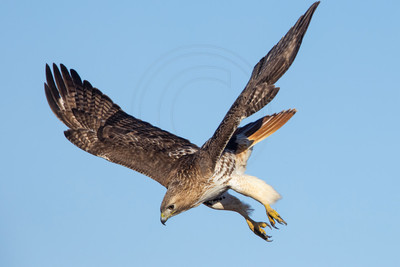
Millie: The Most Social and Amazing Red-Tailed Hawk
Most of the time when I write a blog post, I write about a place or a particular wildlife photography experience. But today I wanted to do something a little different. Instead of focusing on a location or event, I want to share the story of a bird—one that has captured the hearts of many photographers over the years.
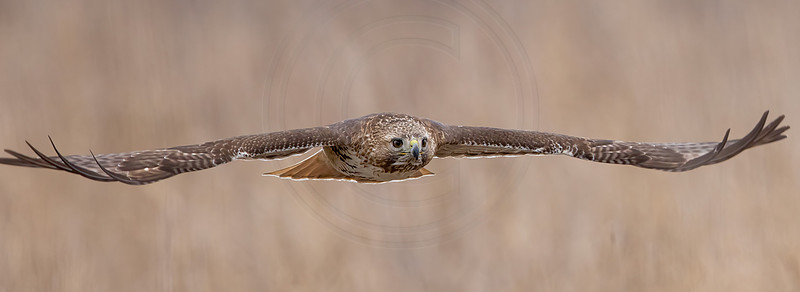
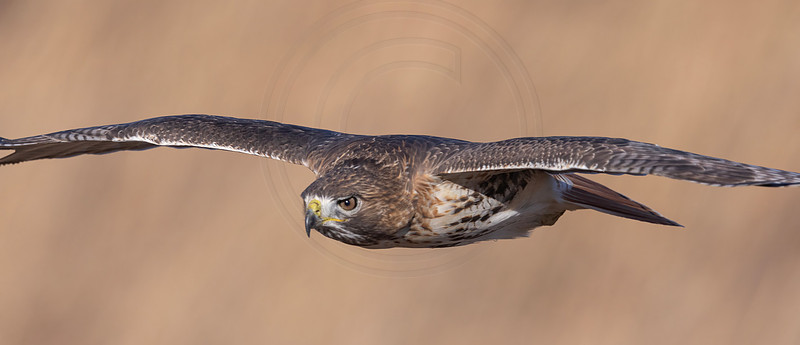
Her name is Millie, and she is the most social and amazing red-tailed hawk I have ever met.

The First Winter
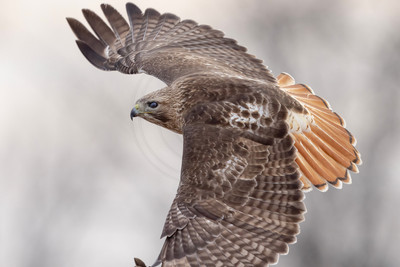
It all began several years ago when she first started visiting one of my favorite winter locations for raptors, the grasslands. Her first season there was nothing short of incredible. She arrived as a juvenile bird, and it quickly became a jaw-dropping winter for everyone who was lucky enough to be there.
Millie stood out immediately. She absolutely lit up the grasslands.
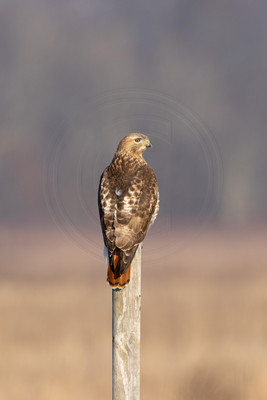
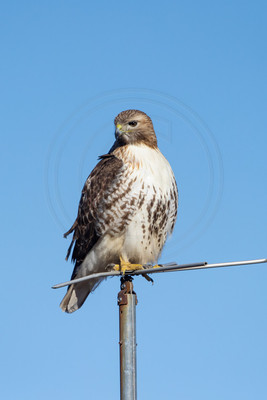
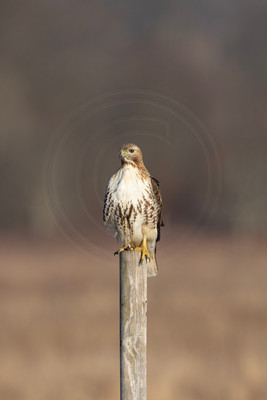
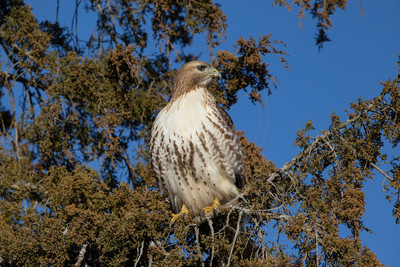
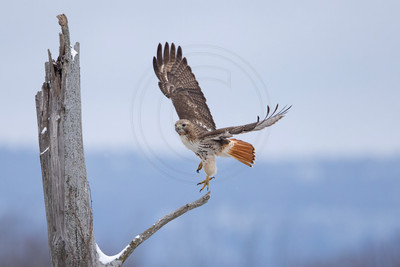
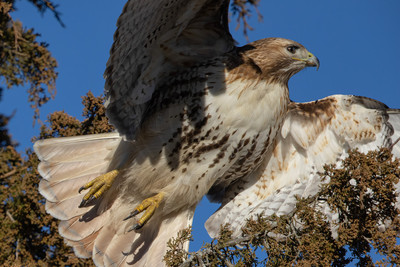
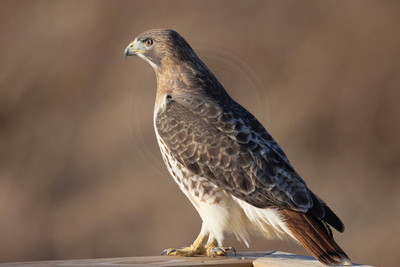
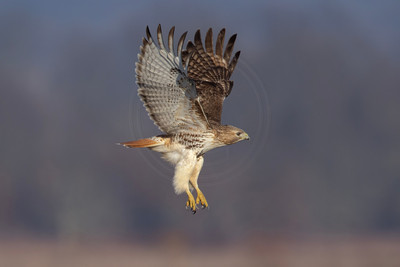
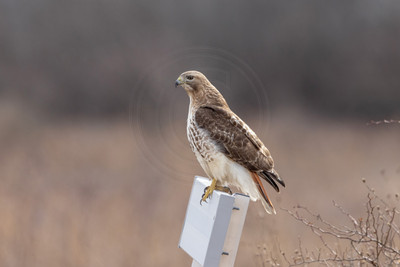
While photographers waited patiently for the short-eared owls to begin flying in the late afternoon, Millie entertained us all day long. She would fly in close and land on just about anything nearby—posts, trees, the gazebo, even the stack coming out of the outhouse.
It was something most of us had never experienced before.
A Hawk Unlike Any Other
Red-tailed hawks are usually cautious around humans. Most will fly away before people even notice them with their flight catching their attention. They prefer their distance and generally avoid interaction.
But Millie was different.
At first, she would show up and land somewhere nearby, watching us from a distance. She seemed curious, almost studying the group of photographers gathered around the parking area.
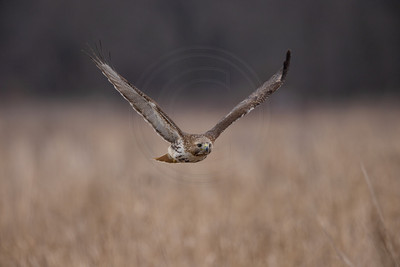
Sometimes she would sit and observe for a while before flying off again. Other times she would attempt to hunt right there with us standing nearby.
It was fascinating to watch.
The Pattern Begins
Over time, her visits became more frequent.
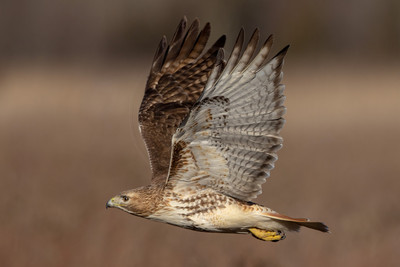
Eventually she seemed to develop a routine—almost a predictable circuit around the area. She would fly in from one direction, circle around the grasslands, and stop at several familiar perches along the way.
Posts in the grass.
Small trees.
The gazebo.
Even the buildings nearby.
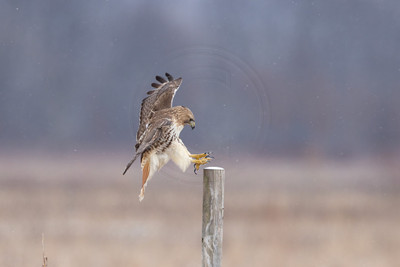
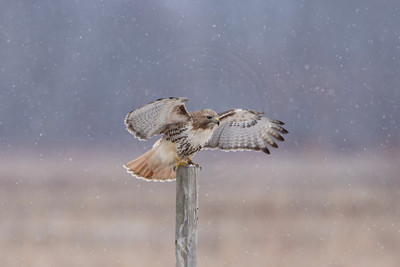
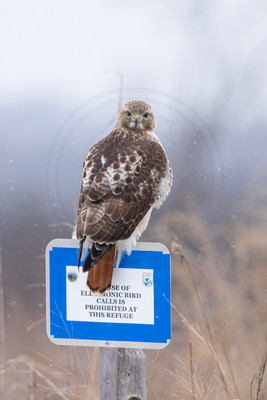
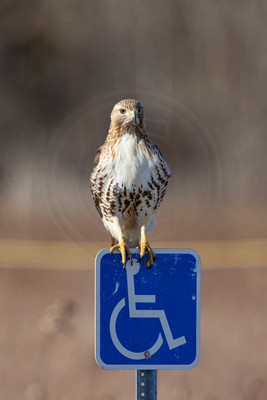
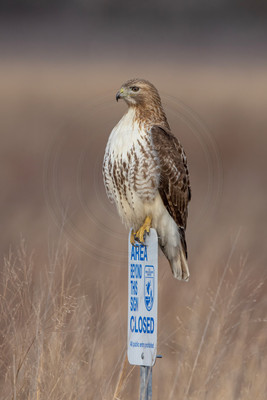
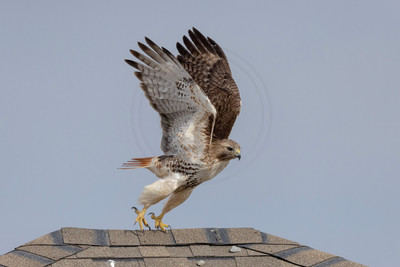
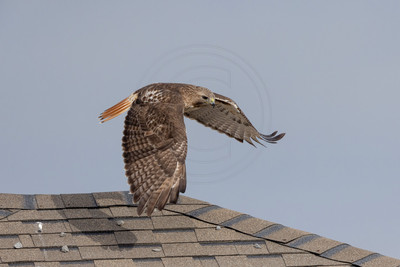
Photographers began to notice the pattern. Once you watched her long enough, you could almost guess where she might land next.
This made it a little easier for people to get incredible photos of her.
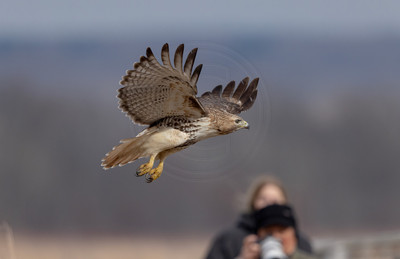
But sometimes… she got very close. Too close.
There were several moments when I remember thinking that if my arm had been stretched out, she might have considered landing on it.
That’s how comfortable she seemed.
Watching Her Grow
Despite how much fun it was to spend time with her each winter, Millie would eventually leave.
After her first winter, she disappeared, and we were all incredibly sad to see her go. But the memories from that season were unforgettable.
Then the next winter came.
And she returned.
The excitement among the photographers was immediate. None of us could believe that the same hawk had come back again.
But that wasn’t the last time.
Millie has returned every winter since.
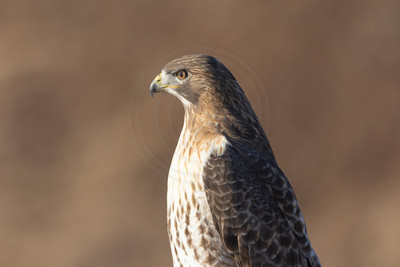
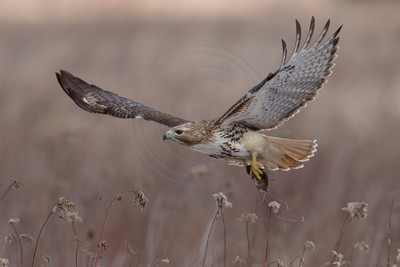
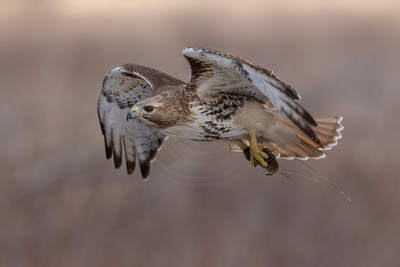
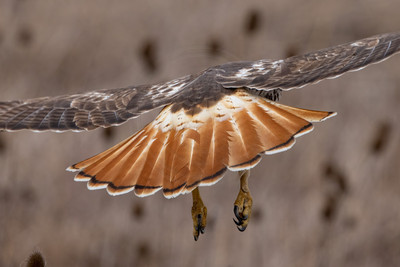
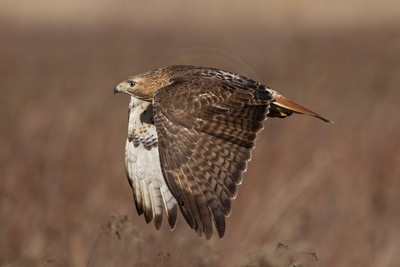
Over the years, many of us have had the privilege of watching her grow from a juvenile hawk into a beautiful adult. I believe it was during her third winter with us that her transformation was complete. Her eyes had become brown, the color of an adult red-tailed hawk, and her tail had turned the rich, unmistakable red that gives the species its name.
She was stunning.
And she still behaved exactly like the curious hawk we first met.
An Incredible Hunter
One of the most amazing things about Millie is watching her hunt.
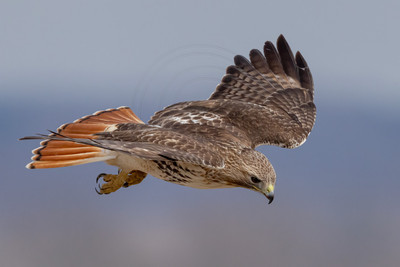
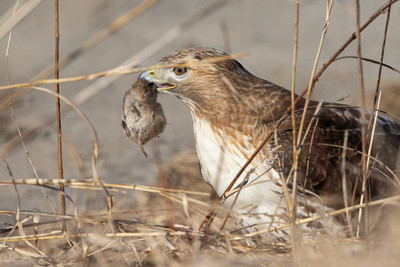
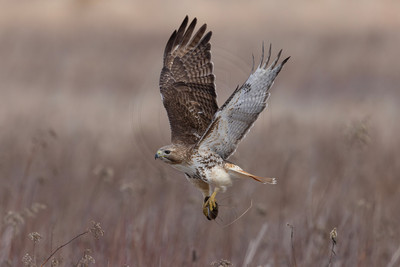
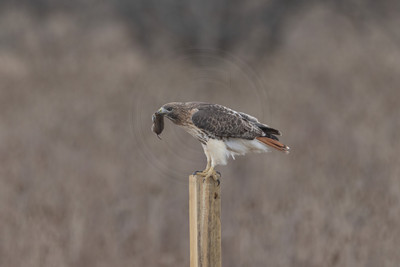
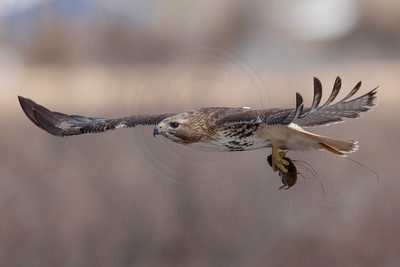
She will often hunt right around the photographers, dropping down into the grass after voles. Many times she emerges from the grass with her meal and flies up to a nearby perch or building to eat.
She is an incredibly successful hunter, catching vole after vole throughout the day.
For wildlife photographers, this creates incredible opportunities to capture powerful moments—takeoffs, hunting behavior, and those intense feeding scenes that tell the story of survival in the wild.
But more than the photographs, it’s the experience of watching her that stays with you.
This Winter
This year has been very different.
I believe Millie may have stopped by briefly, but she didn’t stay long. Unfortunately, we haven’t had many of our usual winter raptors this season, and without the birds, the photographers haven’t been there either.
It has been a very disappointing winter.
In fact, I haven’t even visited the grasslands in nearly two months because there simply hasn’t been anything happening there.
I may still try to get out there once or twice this month, just in case. But honestly, I’m not very hopeful.
Hoping for Her Return
At this point, my fingers are crossed that Millie will return again next winter.
She has brought so much joy, excitement, and unforgettable moments to so many photographers over the years. Being able to watch her fly, hunt, and interact with us the way she does is something incredibly special.
And to be honest, I miss her more than I can even put into typed words.
Some birds leave an impression on you.
Millie left something much bigger than that.
She became part of the story of the grasslands—and part of the memories that keep us all coming back each winter, hoping to see her again.