Wildlife Photography from a Kayak: A Whole New Perspective
In past posts, I’ve touched a little on photographing wildlife from land versus photographing from the water. But today, I wanted to share more about what it’s really like photographing from my kayak—and the incredible opportunities I’ve had the pleasure to experience.
There’s something special about being out on the water. It’s quieter, more immersive, and it brings you closer to wildlife in a way that simply isn’t possible from land.

➡️ Subscribe to Debs Creative Images on YouTube for more adventures captured through video!
My Setup on the Water
Photographing from my kayak offers a very different experience compared to shooting on land.
My kayak is about 16 ½ feet long, but the cockpit is fairly small. That means space is limited, and I have to be very intentional about what gear I bring. As much as I would love to take my 500mm prime lens out with me, I haven’t yet found a safe and practical way to transport and use it while on the water.
Instead, I rely on a hand-holdable setup. In the past, I used my Canon 100–400mm with a DSLR. Since switching to mirrorless, I now bring my Canon RF 100–500mm lens, which gives me the reach I need while still being manageable in a constantly moving environment.
Why Kayak Photography is So Powerful
The biggest advantage of photographing from a kayak is the perspective.
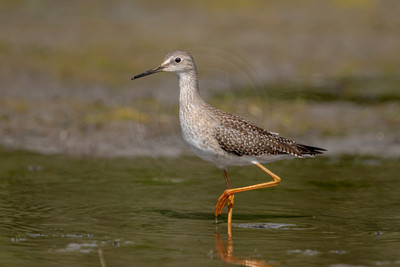
You are at eye level with your subject—especially waterfowl—and that makes all the difference.
Instead of looking down at your subject, you’re connecting with it. The images feel more intimate, more natural, and more immersive. It’s truly one of the best ways to photograph birds and wildlife.
Over the years, I’ve had amazing opportunities photographing:
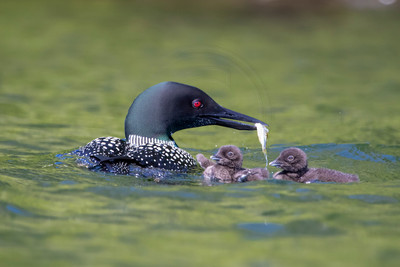
- Loons (including families with babies)
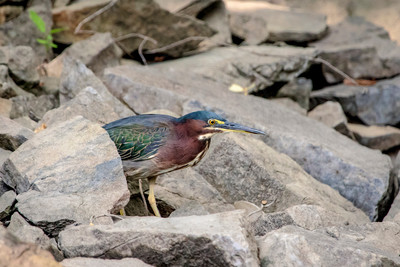
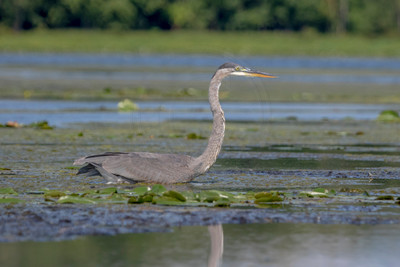
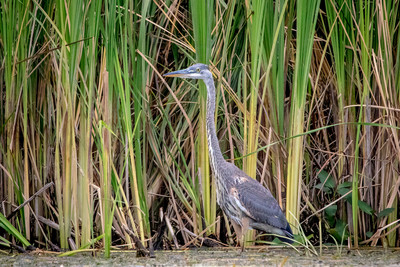
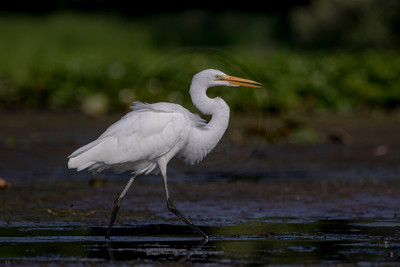
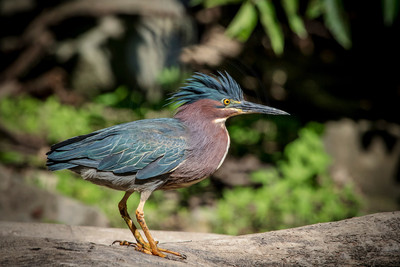
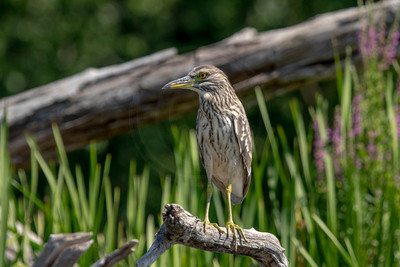
- Herons (green, great blue, and night herons)
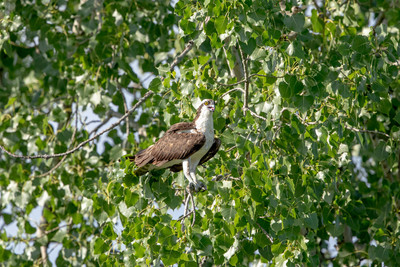
- Osprey and bald eagles
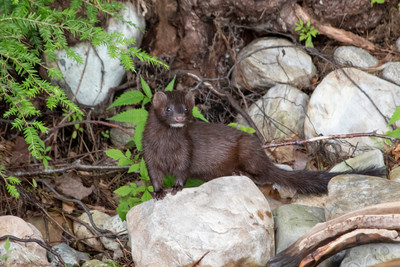
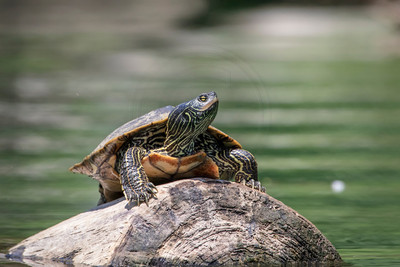
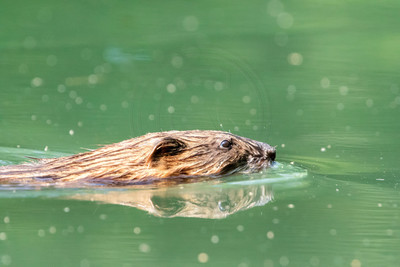
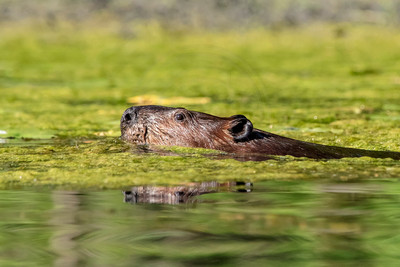
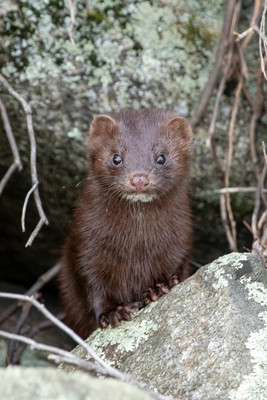
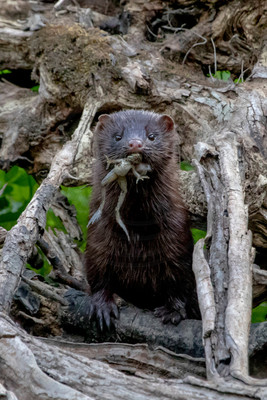
- Turtles, muskrats, beavers, and even mink
Every trip feels like an adventure—you never quite know what you’re going to find.
My Favorite Locations on the Water
I’ve had the pleasure of kayaking and photographing wildlife in a variety of locations, including the Hudson River, Lake Champlain, and the beautiful LaChute River.
LaChute River – My Favorite
This has always been one of my favorite places to photograph wildlife. It’s about a two-mile paddle down to Lake Champlain, and it’s filled with life. The calm, tree-lined water creates the perfect environment for spotting wildlife.
On any given trip, I might see:
- Multiple species of heron
- Turtles basking along the banks
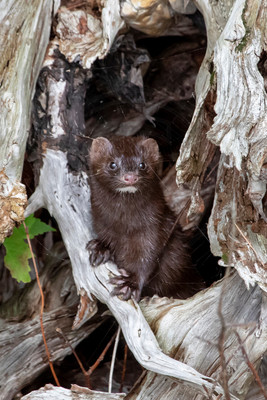
- Muskrats, beavers, and mink moving through the water
Lake Champlain – Variety & Distance
Once I reach Lake Champlain, the experience changes. It opens up into a much larger body of water where I’ve photographed:
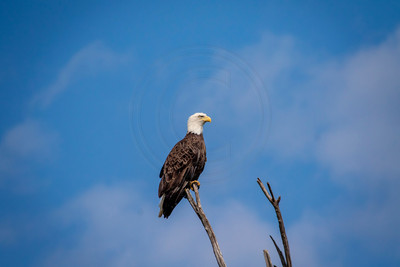
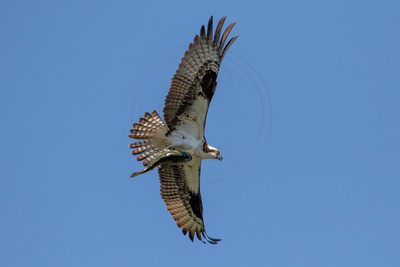
- Osprey
- Bald eagles
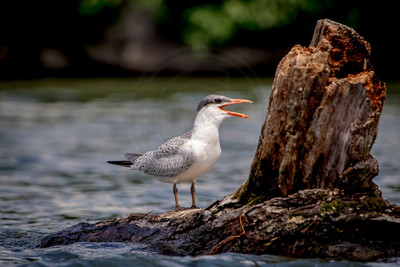
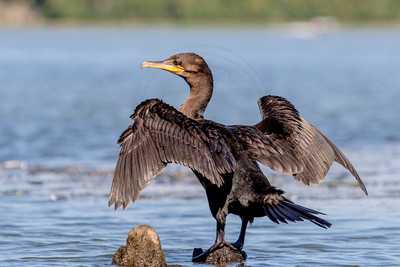
- Cormorants and terns
It’s also a great place for getting in some distance paddling—so it becomes both a photography trip and a workout.
Hudson River – A Different Challenge
The Hudson River offers incredible opportunities, but it comes with added challenges like wind, current, and boat traffic. It’s important to plan carefully and always think about the paddle back.
Adirondack Ponds – Loon Territory
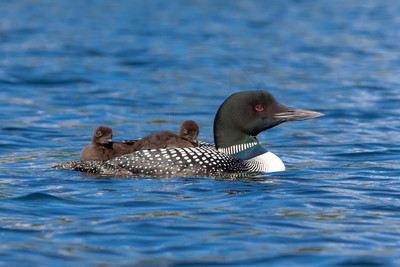
Some of my favorite moments have happened on quiet ponds in the Adirondacks. That’s where I’ve had the chance to photograph loons—especially during breeding season. And if the timing is just right, you might even find them with their babies, which is truly unforgettable.
The Challenges of Shooting from a Kayak
While the perspective is amazing, there are definitely challenges.
The biggest one?
The kayak never sits still.
Even when I try to stay in one place, I’m constantly drifting. Add in wind or current, and it becomes even more difficult to hold position. There are times when I’m gently bobbing around, doing my best to line up the shot.
Because of this, fast shutter speeds are essential. I typically shoot at around 1/1600 of a second or faster to help freeze motion—not just from the wildlife, but from the movement of the kayak itself.
Other challenges include:
- Limited gear space
- Balancing while shooting
- Managing distance from your subject
- Always being aware of your surroundings and safety
Advantages vs. Disadvantages
Advantages
- Eye-level perspective with wildlife
- More natural, intimate images
- Access to areas unreachable from land
- Less disturbance to animals
- A peaceful, immersive experience
- Built-in exercise while you explore
Disadvantages
- Constant movement and drifting
- Limited gear capacity
- Challenging in wind or current
- Harder to stabilize for sharp shots
- Safety considerations (water conditions, distance, weather)
Why I Keep Going Back
Despite the challenges, photographing from a kayak is one of the most rewarding experiences I’ve had as a wildlife photographer.
It’s not just about the images.
It’s about being out there—quietly floating through nature, sharing space with wildlife, and witnessing moments that feel completely untouched.
Every trip is different.
Every paddle brings something new.
And sometimes… if you’re lucky… you get a moment like a loon family gliding across the water with their babies.
Those are the moments that stay with you.