Photographing Common Loons in the Adirondack Mountains
Echoes on the Water: Photographing Common Loons in the Adirondack Mountains
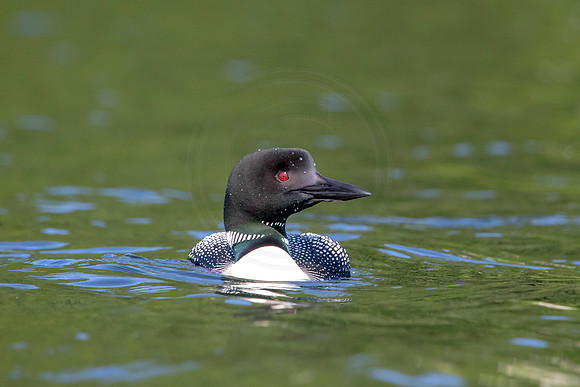
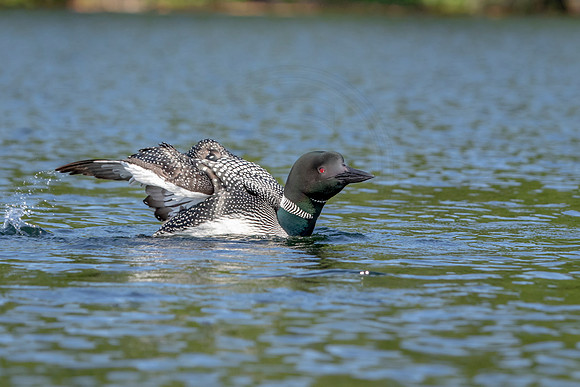
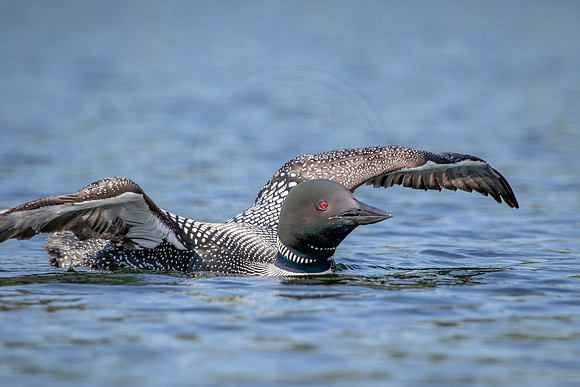
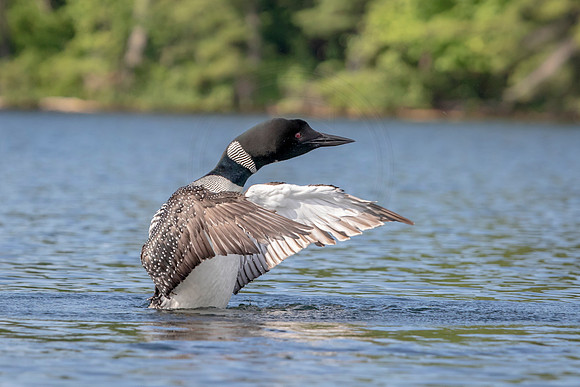
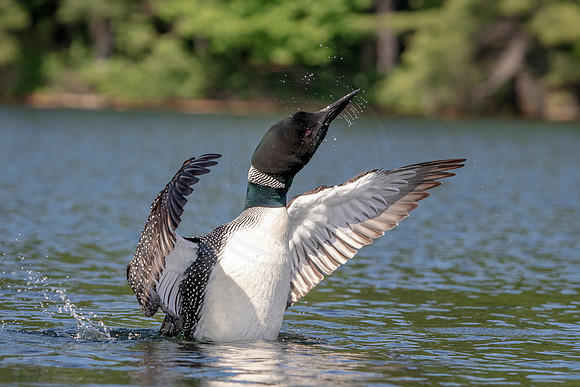
There are few sounds that feel as wild and haunting as the call of a Common Loon echoing across an Adirondack lake. For me, loons are one of the most magical birds to photograph — not just because of their striking beauty, but because of the environments they inhabit and the quiet moments they invite you into.
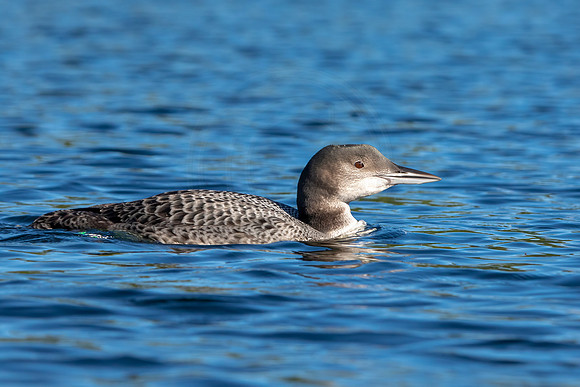
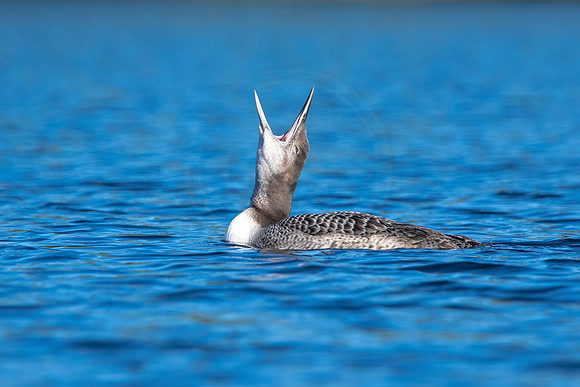
Over the years, I’ve had many opportunities to photograph Common Loons throughout the Adirondack Mountains. Sometimes I encounter them at lakes or ponds I can hike into. Other times, the only way to truly experience them is from the water — paddling quietly in my kayak, camera ready, surrounded by nothing but trees, water, and the occasional ripple of a diving loon.
Each approach comes with its own rewards and challenges, and both have shaped how I photograph and appreciate these incredible birds.
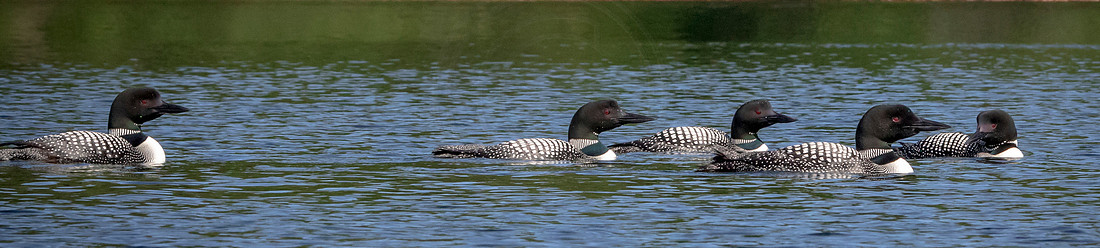

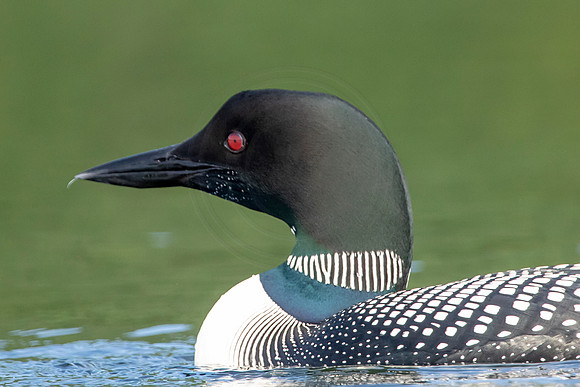
🐦 About the Common Loon
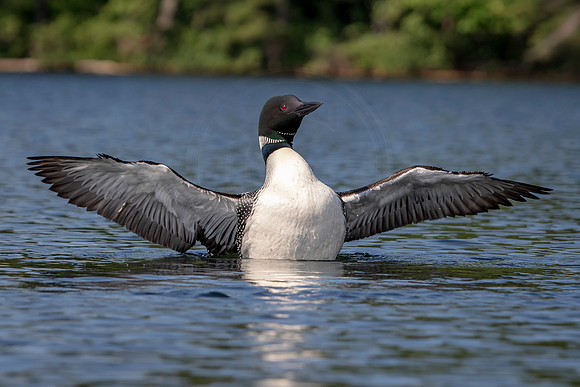
The Common Loon (Gavia immer) is one of the most iconic birds of the Adirondacks.
Habitat
Common Loons are primarily found on:
-
Clear lakes and ponds
-
Quiet, undeveloped bodies of water
-
Remote locations with minimal shoreline disturbance
The Adirondacks provide ideal breeding habitat thanks to their abundance of freshwater lakes, protected shorelines, and relatively low development in many areas.
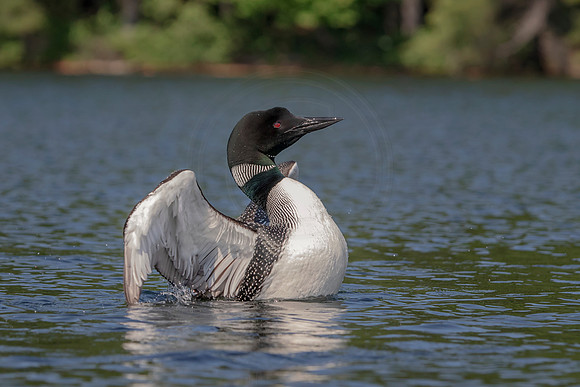
Diet
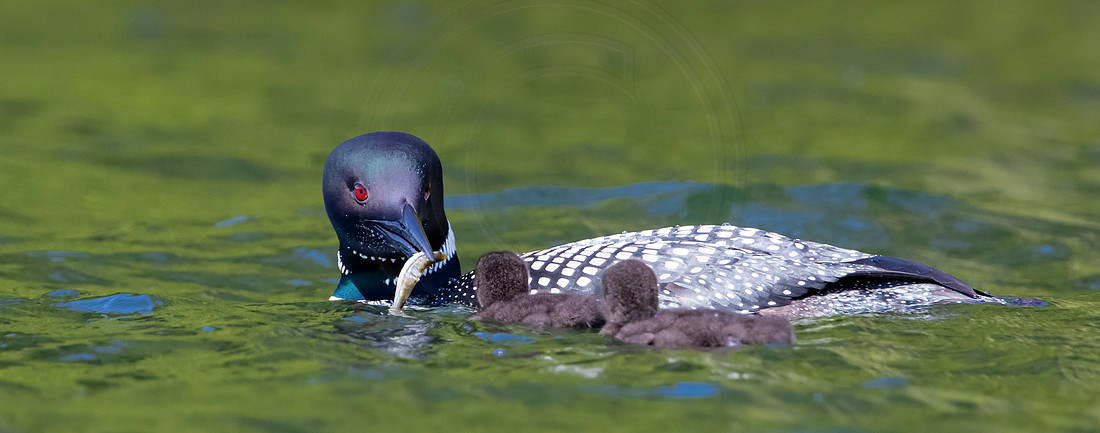
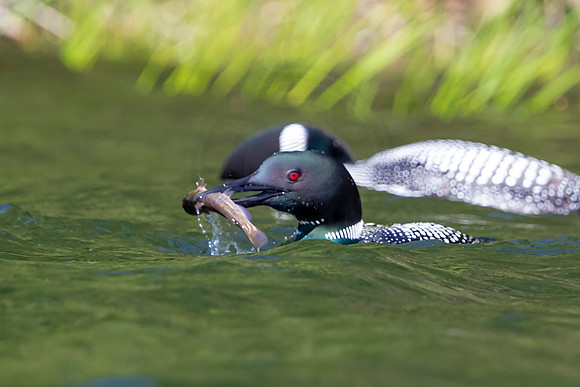
Loons are expert divers and primarily eat:
-
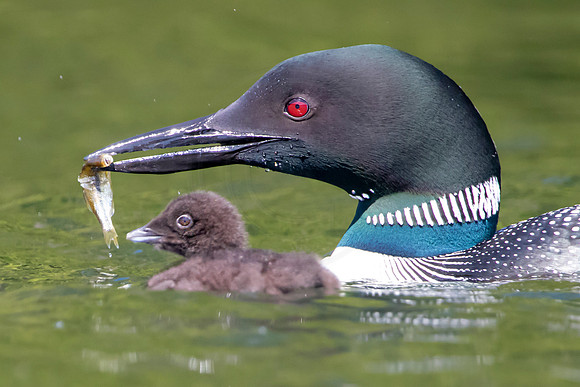
Fish
-
Crustaceans
-
Aquatic insects
They can dive over 200 feet and remain underwater for up to a minute while hunting.
Breeding & Nesting
Loons typically return to the same breeding lakes year after year.
-
Nesting occurs late spring into early summer
-
Nests are built right at the water’s edge
-
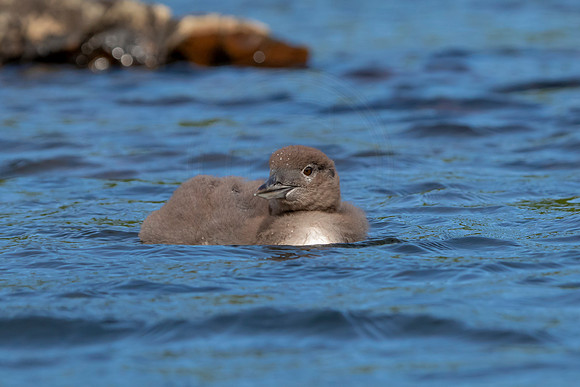
Most pairs raise one or two chicks
-
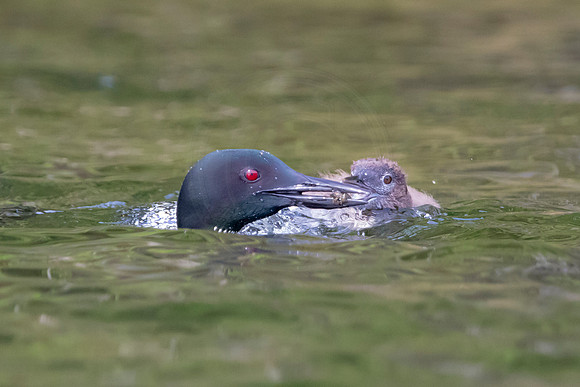
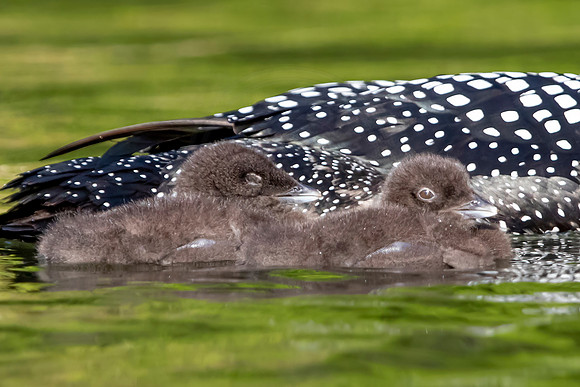
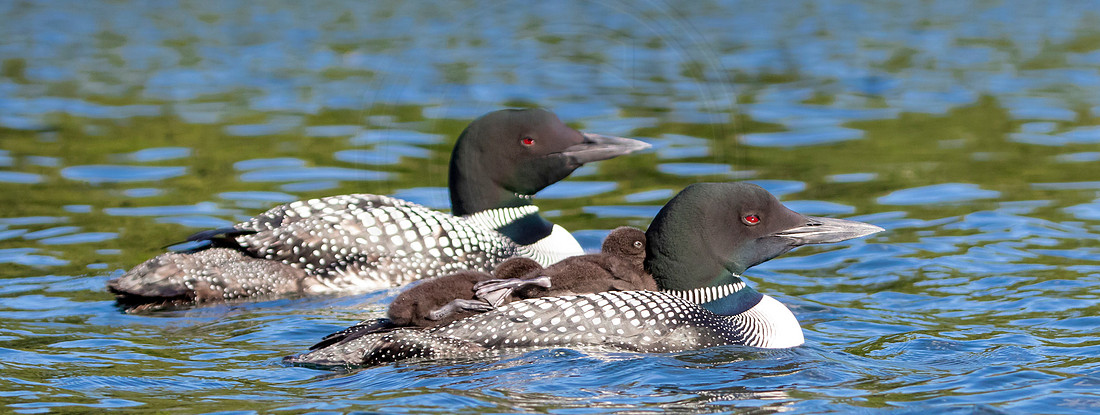
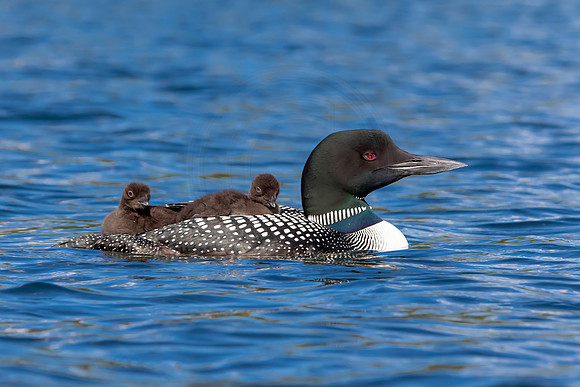
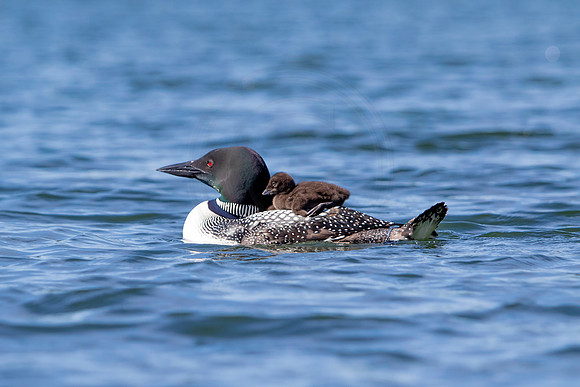
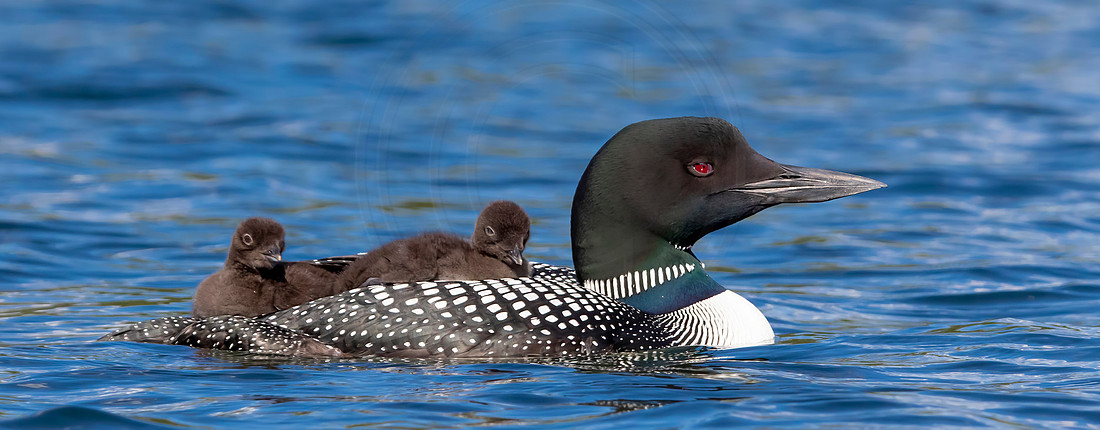
Loon chicks often ride on their parents’ backs for warmth, protection, and rest
That last behavior — babies riding on a parent’s back — is one of the most heart-stopping wildlife moments I’ve ever witnessed.
📍 Finding Loons: Land vs. Water
Photographing Loons from Land
Some of my loon encounters happen at ponds or lakes I can walk into. This approach has its advantages — and its limits.
Challenges from land:
-
If the body of water is large, loons may stay far offshore
-
You may only see them briefly if they swim close
-
You’re limited to the shoreline perspective
Benefits from land:
-
I can bring any gear I want
-
The land doesn’t move — stability is a huge plus
-
I can use my large prime lens, the Canon 500mm
-
I can bring a monopod for support
-
Chairs, snacks, and extra gear are easy to pack
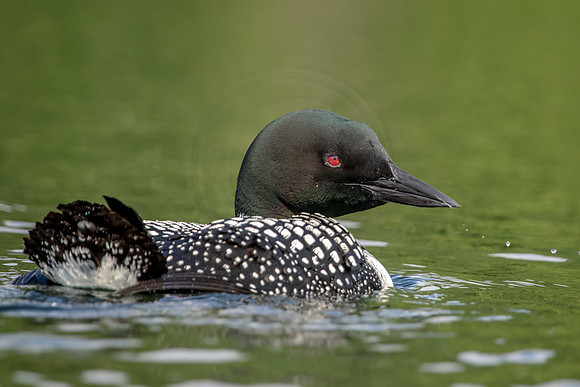
When conditions are right and the loons cooperate, land-based photography can produce incredibly clean, sharp images.
Photographing Loons from a Kayak
Some lakes and ponds are simply too large — or too secluded — to photograph effectively from shore. That’s when the kayak becomes essential.
Challenges from a kayak:
-
The kayak is never truly still
-
It bobs with the water and drifts constantly
-
Stability is limited
-
Storage space is minimal
-
Extended time on the water can get cramped
Because of this, I downsize my gear:
-
Previously: Canon EF 100–400mm
-
Currently: Canon RF 100–500mm
These lenses give me flexibility without the weight and balance challenges of a large prime.
Benefits from a kayak:
-
I can paddle quietly until I locate the loons
-
Distance is adjustable — crucial for respecting their comfort zone
-
Some loons prefer distance, while others are incredibly tolerant
-
Occasionally, they’ll come too close — prompting me to gently paddle backward
Kayak photography requires patience, balance, and awareness — but it allows for intimate, eye-level perspectives that are impossible from shore.
🌲 A Favorite, Hard-Earned Location
Although there are many places to photograph loons in the Adirondacks, I do have one favorite spot — and it’s not easy to get to.
Reaching this pond requires:
-
Driving roughly two miles up a steep and twisty dirt road
-
Navigating potholes, mudslides, and uneven terrain
-
In many years, the road isn’t raked at all, making it impassable
When I can get up there, parking is still a distance from the water. I have to pull my kayak — mounted on wheels — over large rocks and up a hill just to reach the pond.
But once I’m there… it’s a little slice of heaven.
The pond is completely secluded, surrounded by woods, and totally off-grid. The only ways in are that difficult road or a hike — one I’ve never attempted and never plan to. Out on the water, it’s silent and peaceful, the kind of place where time seems to slow down.
🐣 An Unforgettable Season
One year at this pond stands out above all others.
That year, the loons had babies.
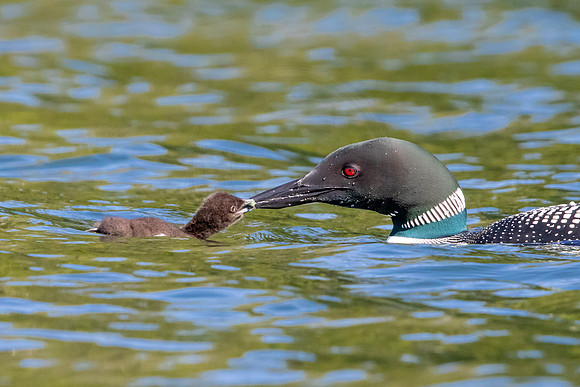
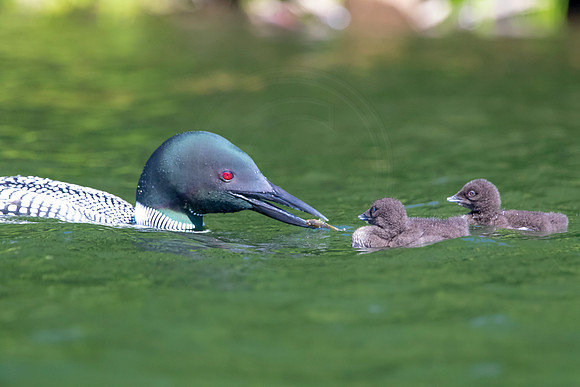
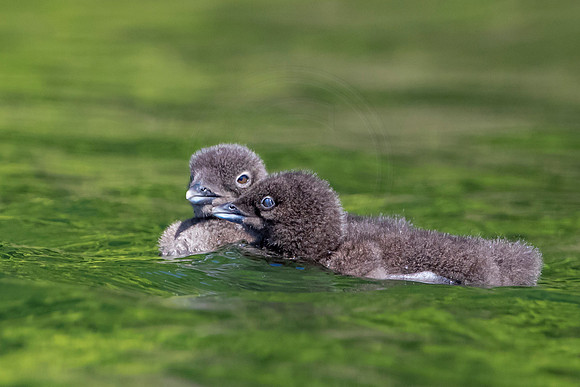
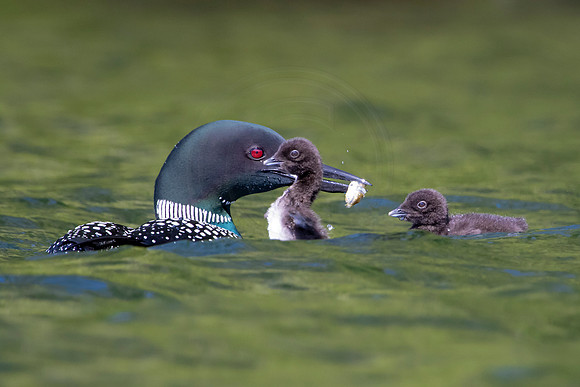
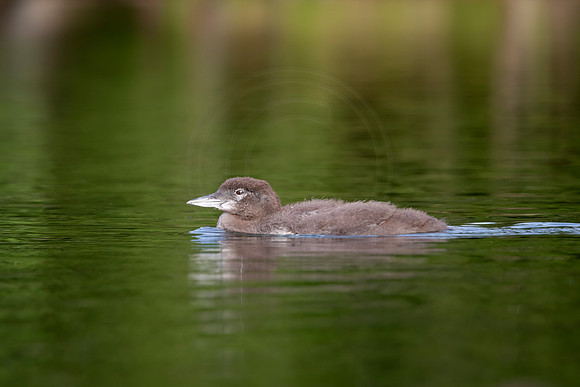
I was able to visit multiple times while the chicks were very young. I watched them grow, observed the parents’ constant care, and witnessed moments that few people ever get to see.
Seeing loon chicks riding on their parents’ backs — tiny, fuzzy, and completely trusting — was breathtaking. Photographing those moments felt like a privilege, not just an opportunity.
Those images are some of the most meaningful I’ve ever captured.
💭 Why Loons Keep Calling Me Back
Loons embody everything I love about wildlife photography:
-
Quiet patience
-
Respect for distance
-
Immersion in nature
-
Moments that feel fleeting and rare
Whether I’m standing on shore with a 500mm lens or balancing quietly in my kayak, photographing Common Loons in the Adirondacks never feels routine. Every encounter is different. Every call across the water feels special.
And every once in a while, nature gifts you a moment you’ll carry with you forever.