Spring: When Everything Comes Back to Life
Living in the Northeast is something I will always feel grateful for. We get to experience all four seasons — each one bringing something unique and beautiful. And because I get to witness the full cycle of nature year after year, I truly appreciate them all.
Although… I wouldn’t mind if winter were just a little shorter.
There are many things I love about winter — the quiet stillness, snowy landscapes, and certain wildlife opportunities — but it is the longest season and often the toughest to get through.
Then comes spring.
And everything changes.
The Awakening of Nature
Spring is my favorite season. It’s the time of year when everything begins to breathe again.
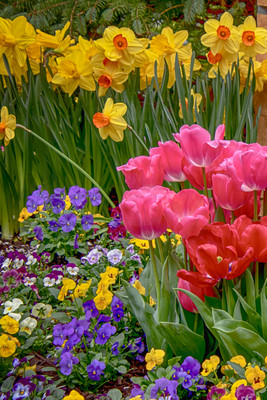
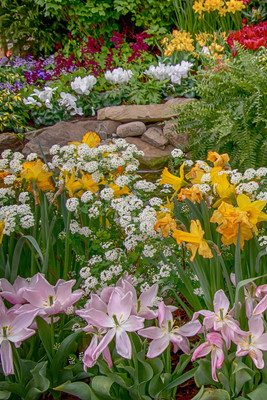
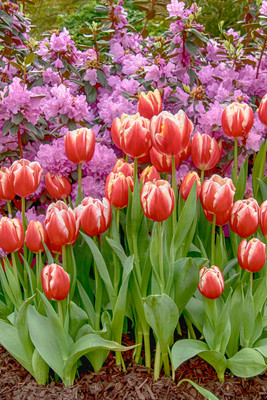
The trees slowly fill out with fresh, vibrant green leaves. Some start the season covered in delicate, fragrant blossoms. Gardens awaken with crocuses, daffodils, and tulips pushing their way through the earth.
Forsythia bursts into bright yellow.
Lilac bushes bloom with rich purple and that unforgettable scent in the air.
Everywhere you look, life is returning.
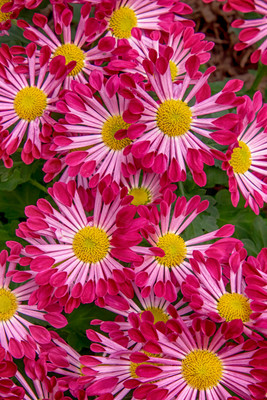
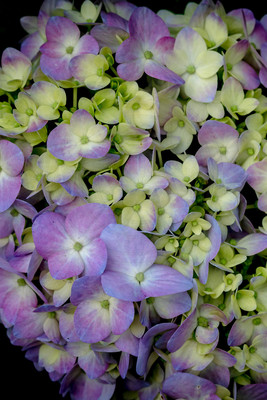
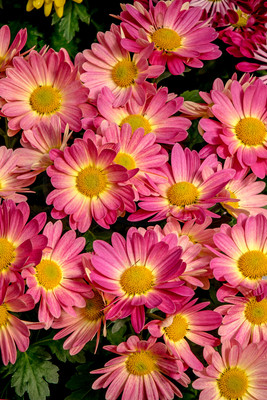
After months of muted winter tones, the explosion of color feels almost magical.

The Return of Wildlife
But it isn’t just the flowers and trees that make spring special.
The wildlife returns.
Migratory birds come home. Bonded pairs reconnect. Some species reunite with the same partner year after year, while others begin forming new bonds. Watching eagles and osprey reconnect in early spring is something I never get tired of. Many birds mate for life, and the bonding behaviors they exhibit — calling, perching close, bringing sticks to the nest — are truly heartwarming to witness.
And then…
Nesting season begins.
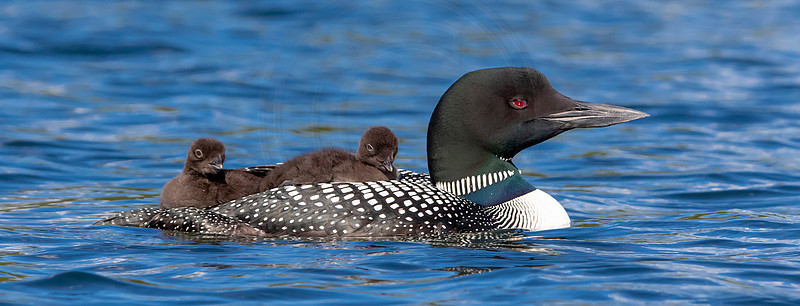
The Joy of Nesting Season
Finding a nest or den is always a huge moment. Because once you find it, you know what’s coming next.
Babies.
And babies are always something special.
Getting to see them when they’re tiny and fragile… watching them grow… witnessing the sacrifices the adults make to raise them — it’s one of the most beautiful things nature offers.
I’ve been incredibly fortunate to have several unforgettable nesting opportunities.
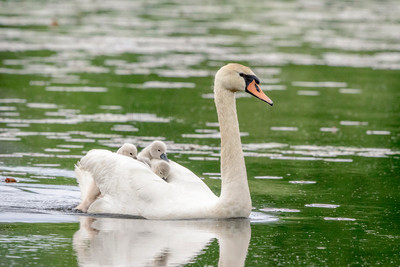
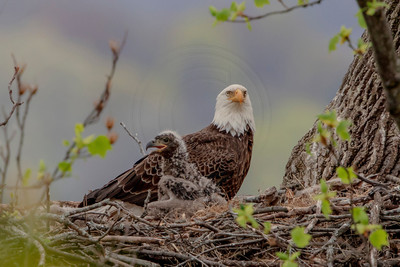
My First Nest: Bald Eagles
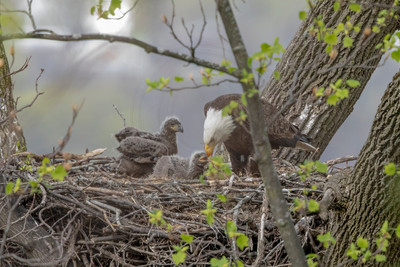
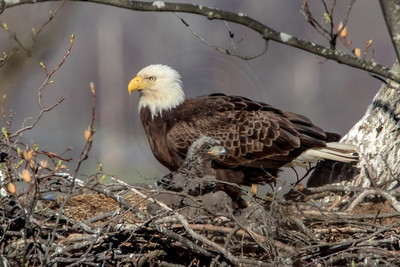
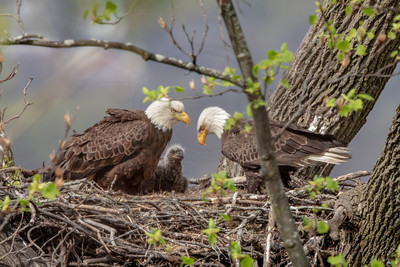
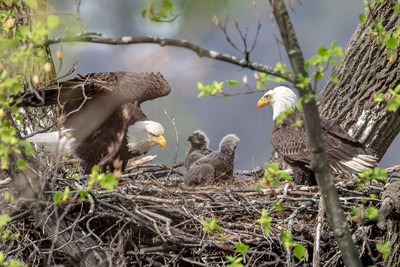
My first nest was a bald eagle nest, and the location was simply incredible. We could hike up into the woods and get an eye-level view from an appropriate distance.
During that time, I shot with my Canon 500mm lens and a 2x teleconverter — giving me 1000mm reach — and I still cropped my images.
That tells you something important.
Distance matters.
The experience of watching those young eagles grow was far more meaningful than any single photograph. Being present for their development was a privilege.
Great Horned Owls
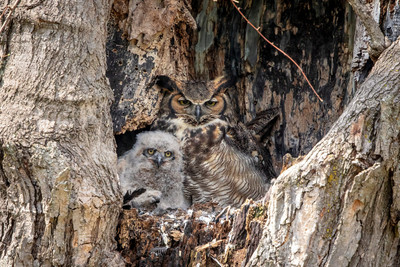
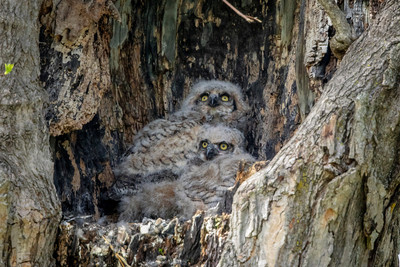
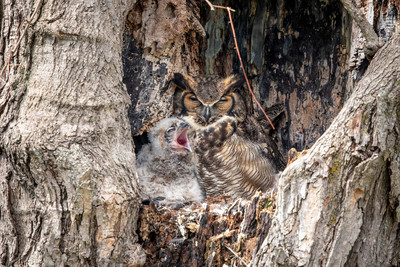
Next came a Great Horned Owl nest tucked inside a tree cavity. This opportunity was spectacular in a different way.
I was able to monitor the nest from my car, using it as a blind. Again, always maintaining a proper distance and shooting at 1000mm.
Owlets are fascinating to watch. Their expressions, their fluff, their curious little movements — all while the adult keeps a watchful eye nearby.
Osprey at Eye Level
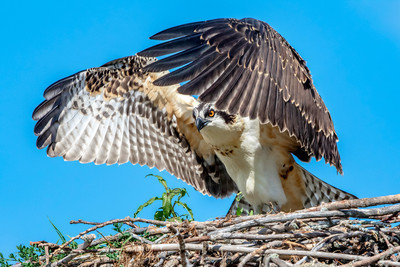
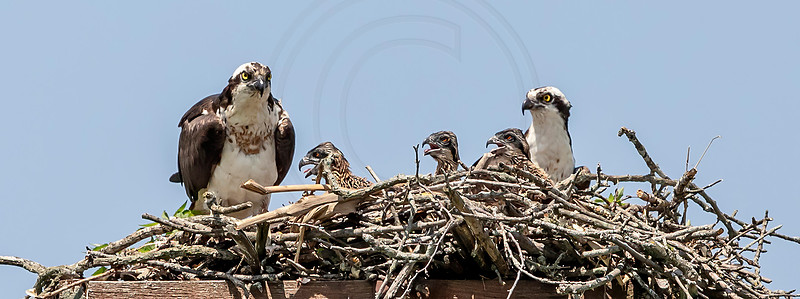
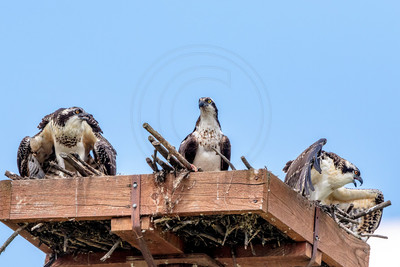
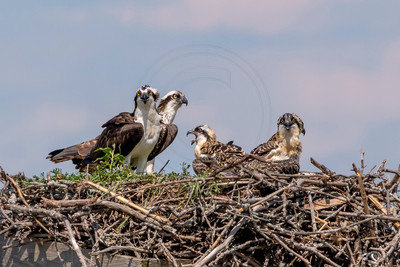
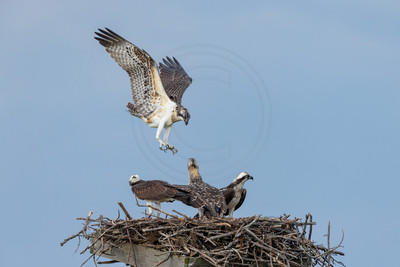
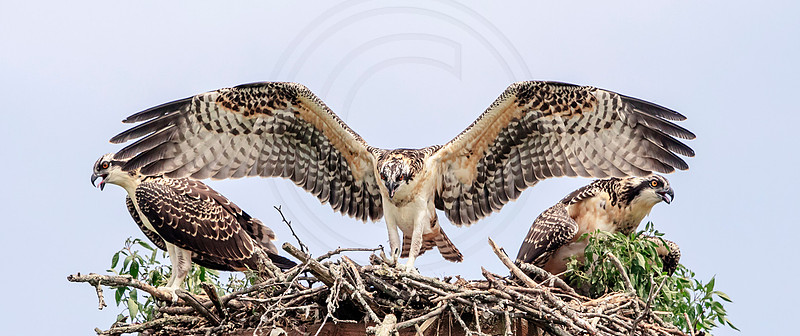
Then came an osprey nest in a state park. I truly lucked out with this one. The birds were accustomed to people being around. As long as I respected the proper distance, they could not have cared less that I was there.
This nest was eye level — which is always a gift in wildlife photography.
Although… it did require hiking through some seriously tall grass. Monitoring for snakes and ticks was part of the adventure.
Completely worth it.
Those early nesting experiences shaped so much of how I approach wildlife today.
Robins & Fox Kits
Not all nests are raptors.
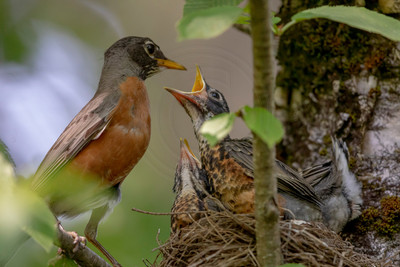
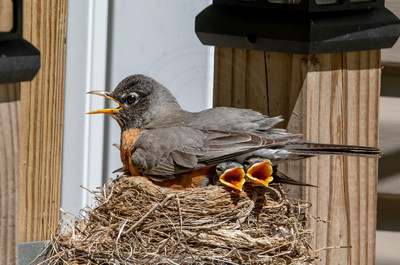
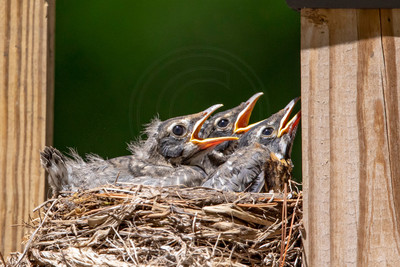
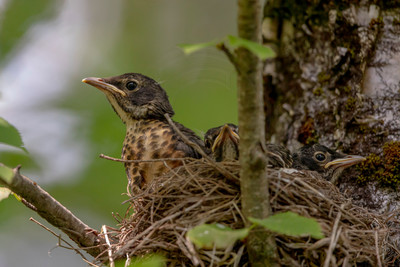
I’ve had wonderful opportunities to observe robin nests as well. What amazes me most about robins is how quickly everything happens. From hatching to fledging is often around two weeks. It feels like you blink and they’re gone.
And then there are fox dens.
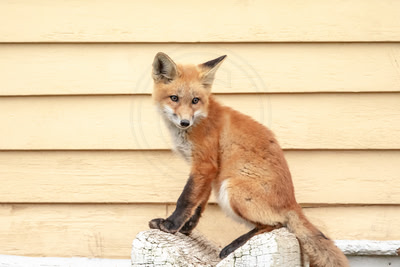
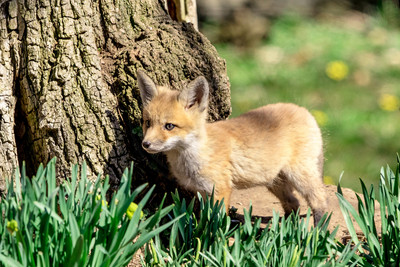
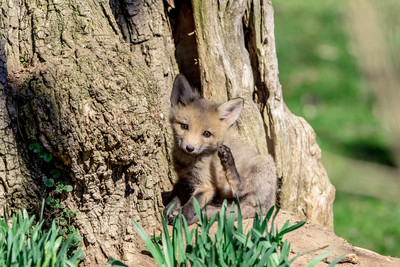
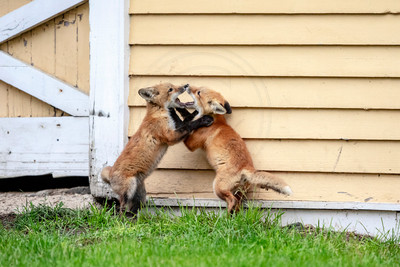
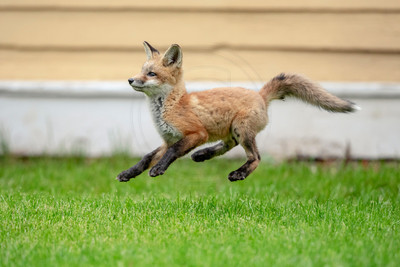
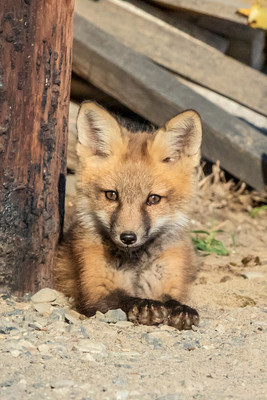
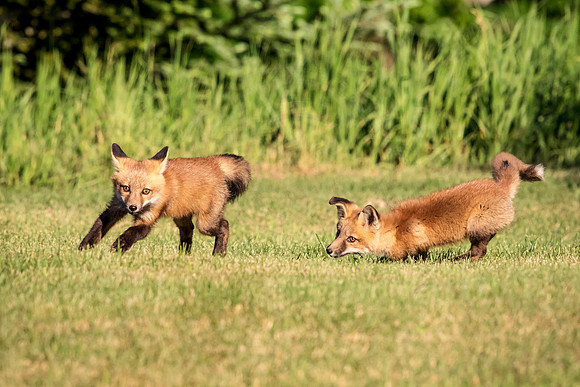
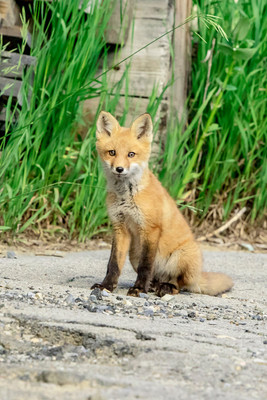
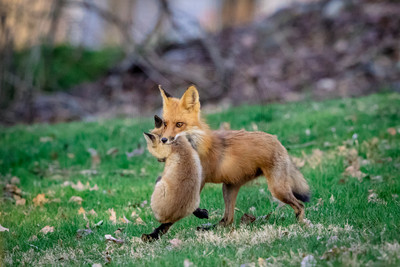
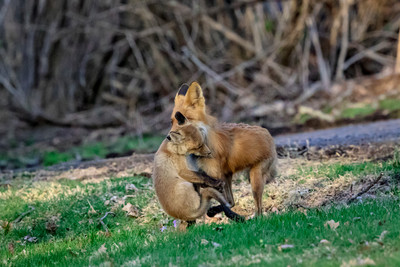
I’ve had the honor of observing three different fox dens over the years. Fox kits are pure joy — playful, curious, constantly tumbling over one another. The parents work tirelessly to feed them.
While many birds raise 1–3 young, foxes can have up to 8 kits.
Eight.
That’s a lot of hungry mouths.
Watching them grow stronger each week is incredibly rewarding.
The Sweetness of Ducklings & Goslings
And then… there are the ducklings and goslings.
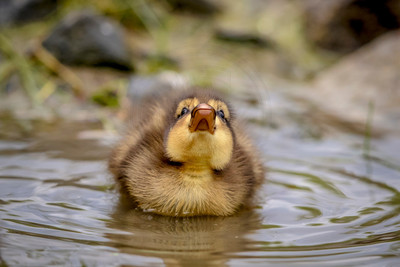
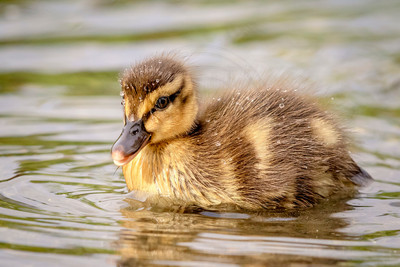
If there is anything that truly captures the innocence of spring, it’s a line of tiny, fluffy babies waddling behind their parents along the water’s edge.
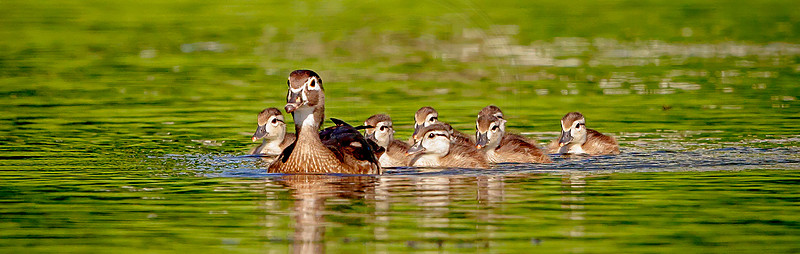
There is something almost magical about their soft, yellow feathers — so delicate and downy that they look like little floating cotton balls when they first take to the water. Their movements are small and slightly uncoordinated, yet determined. They stick close to their parents, instinctively knowing that safety lies in staying together.
I’ve always found it so heartwarming to watch them.
Ducklings and goslings are incredibly curious, exploring their surroundings with wide-eyed wonder. They peck at the water’s surface, nibble at bits of vegetation, and paddle as fast as their tiny webbed feet will allow. Meanwhile, their parents remain vigilant — always watching, always guiding.
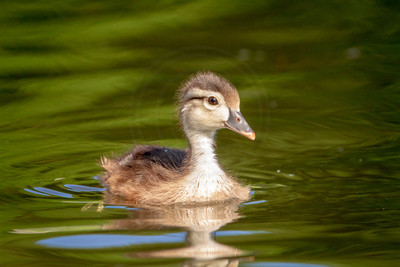
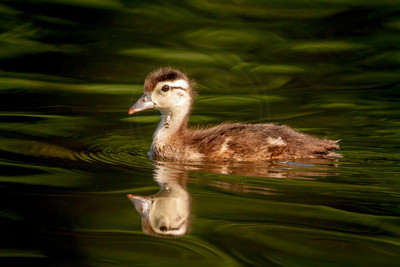
There is a beautiful innocence about them in those early days. They don’t yet understand the dangers of the world. They simply follow, explore, and trust.
And just like robins, their time in that fluffy, yellow stage is fleeting. It seems like only a matter of days before they begin to grow into their feathers and lose that soft baby look. Watching that transformation happen right before your eyes is one of spring’s quiet miracles.
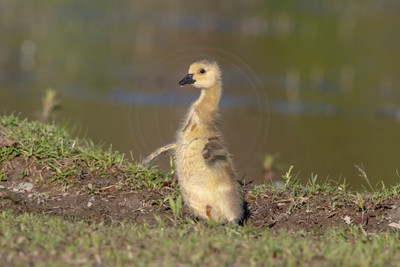
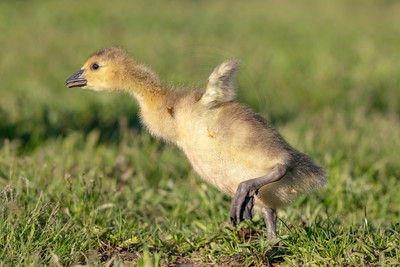
Every year when I see those little lines of ducklings or goslings crossing a pond or waddling across the grass, I’m reminded that spring isn’t just about flowers blooming — it’s about new life beginning.
Watching them grow stronger each week is incredibly rewarding.
The Responsibility of Spring
As magical as spring is, it also comes with responsibility.
It is so important not to intrude on wildlife space.
Keep back.
Observe quietly.
Never pressure an animal for a photo.
One thing I always remind myself — and others — is this:
Don’t charge to get the photo. Let the photo come to you.
With proper distance and patience, you’ll get your best shots without interfering. The welfare of the animal always comes first.
Why Spring Means So Much to Me
Spring represents hope.
It represents renewal.
Growth.
Second chances.
New beginnings.
It’s a season that reminds me why I fell in love with wildlife photography in the first place.
After a long winter, seeing life return — seeing babies emerge, seeing parents work tirelessly, seeing color fill the landscape — it never gets old.
And every year, I find myself just as excited as the year before.
I’d love to hear from you.
What is your favorite season — and why?
Have you ever had the chance to observe nesting wildlife?
Leave a comment below and let’s talk about it. And if you enjoy following along on my photography adventures, be sure to follow for more stories from the field.
Spring is just getting started. 🌸🦅