
Waterfowl Wonders: Ducks, Geese, and Gulls Up Close
A Wildlife Photographer’s Journey Through Some of the Northeast’s Most Charming and Charismatic Birds
Waterfowl are, without question, some of my favorite subjects to photograph. Whether it’s the gentle glide of a duck across a still pond, the dramatic takeoff of a goose, or the bold, mischievous stare of a gull, each species has its own unique personality — and I absolutely love documenting it.
Living and photographing in the Northeast gives me endless opportunities to spend time with these birds across ponds, rivers, lakes, creeks, and even iconic urban locations. Some waterfowl are incredibly shy, skittish, and quick to fly off the moment they see you. Others — especially those in more populated areas used to being fed — come right up to you and practically pose for the camera.
Today’s blog post is a mix of education, storytelling, and my personal photographic adventures with ducks, geese, and gulls — including some of my most memorable trips, the habitats and behaviors of these birds, and tips for photographing them respectfully and beautifully.
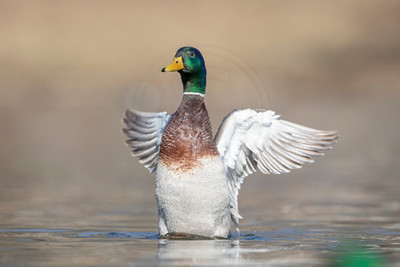

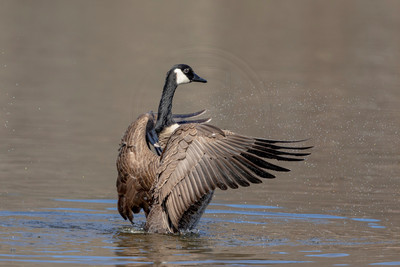
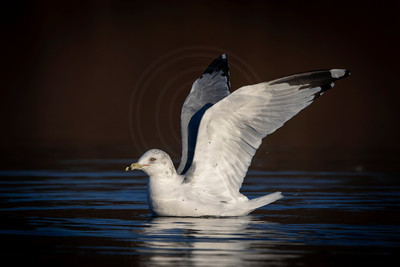
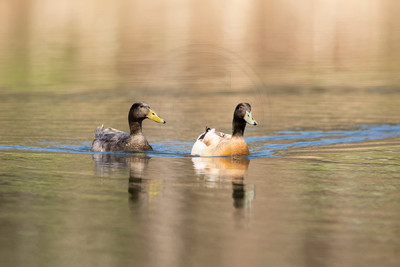
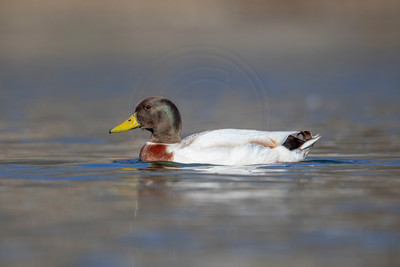
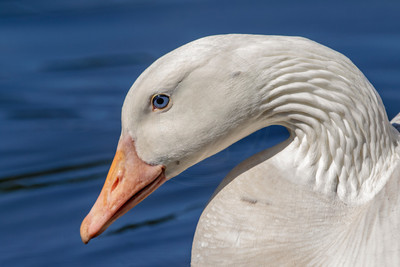
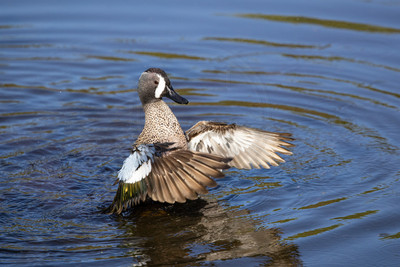
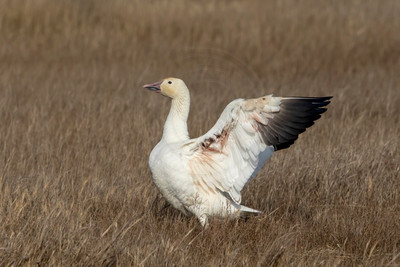
🦆 Ducks: Colorful Characters of the Waterways
Ducks are often the first waterfowl many photographers fall in love with — and for good reason. They are expressive, interactive, and fun to photograph whether in flight, swimming, or dabbling for food.
Habitat
In the Northeast, ducks thrive in:
-
ponds
-
lakes
-
marshes
-
wooded wetlands
-
creeks and rivers
-
urban parks with accessible water
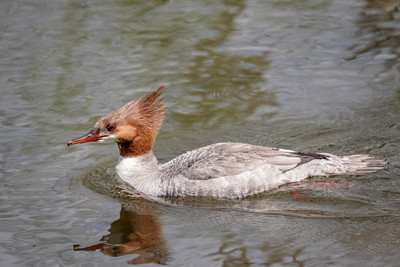
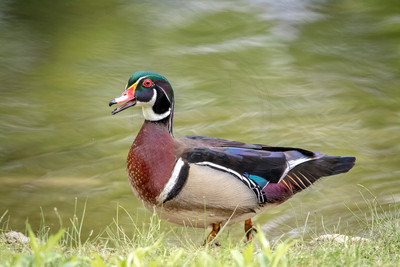
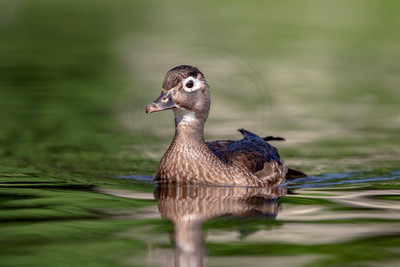
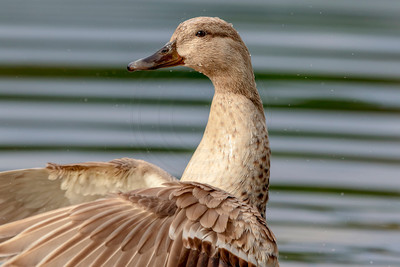
Wood Ducks, Mallards, and Mergansers are among the most commonly encountered species.
Diet
Ducks are omnivores. Depending on the species, they consume:
-
aquatic plants
-
seeds and grasses
-
insects
-
snails
-
small fish
A critical reminder: Ducks should never be fed bread. Bread causes nutritional deficiencies, spreads disease, and contributes to environmental problems like algal blooms. It’s also linked to “angel wing,” a deformity preventing proper flight. If you want to feed waterfowl, birdseed or cracked corn is the safe option.
Breeding
Breeding season in the Northeast typically runs from March through June, depending on the species.
-
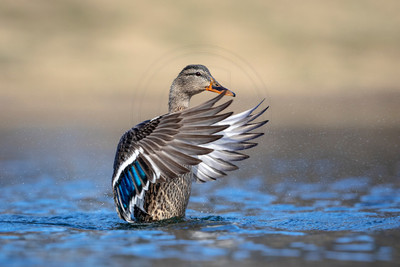
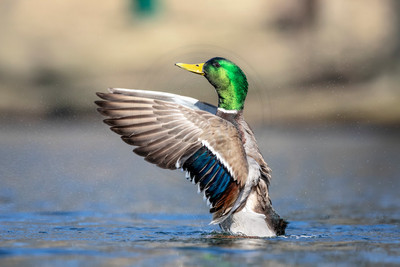
Mallards nest on the ground close to water.
-
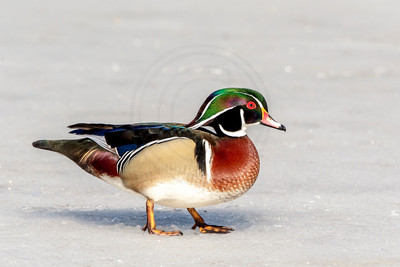
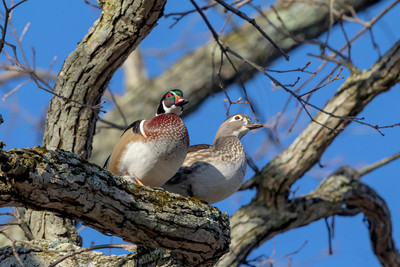
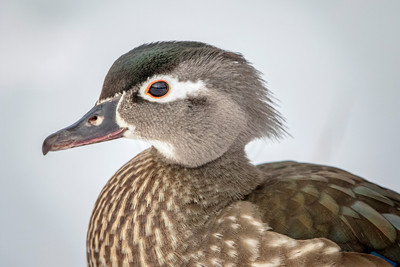
Wood Ducks use tree cavities, sometimes high above water, making them extra fun to observe.
-
Hooded Mergansers and other cavity nesters use both natural cavities and artificial nest boxes.
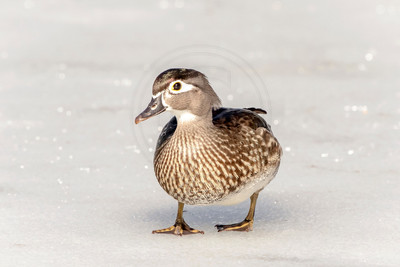
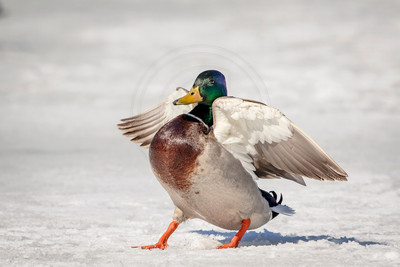
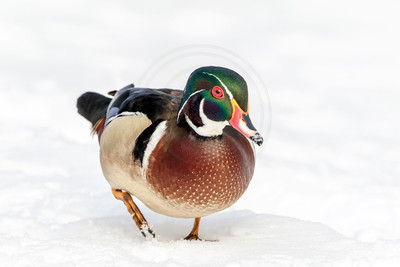
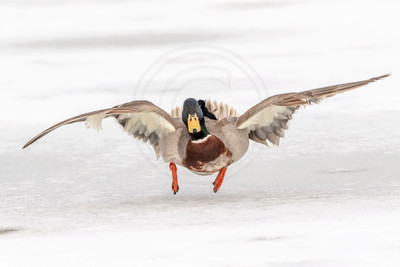
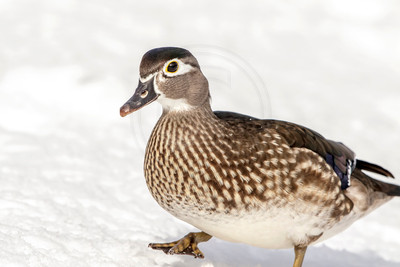
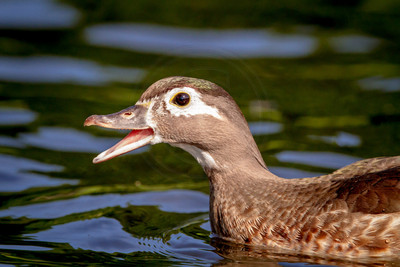
I’ve spent many spring seasons at Downing Park in Newburgh, NY, where breeding activity is always vibrant. The waterfowl there are remarkably cooperative, creating endless opportunities for capturing tender interactions between mates, adorable ducklings following their mothers, and even wood ducks entering and exiting tree cavities.
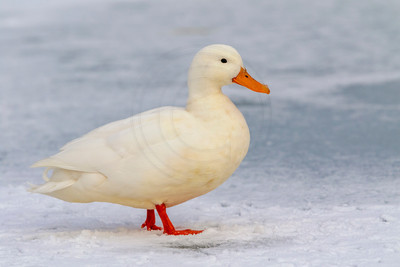
One particularly magical year, the ducks arrived early and I captured them surrounded by snow and ice, adding a unique and beautiful twist to my images.
🦢 Geese: Graceful, Social, and Beautifully Expressive
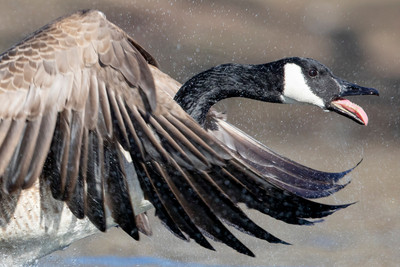
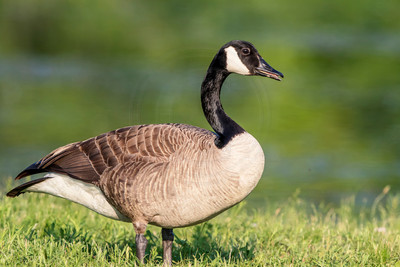
Geese often get a reputation for being aggressive — and yes, they definitely can be — but from a photographer’s perspective, they are social, family-oriented, and full of charm.
Habitat
Geese prefer open, grassy areas near water, such as:
-
riverbanks
-
lakeshores
-
marsh edges
-
reservoirs
-
urban parks
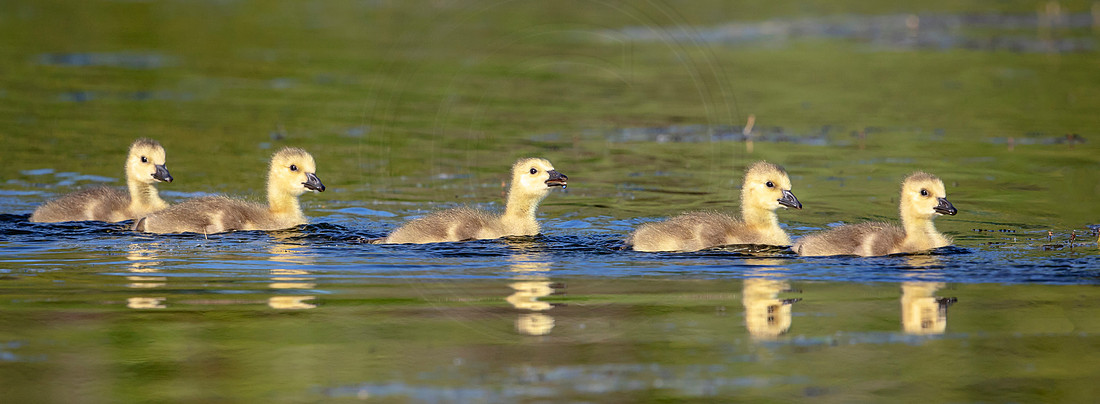
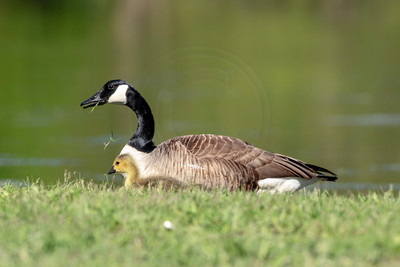
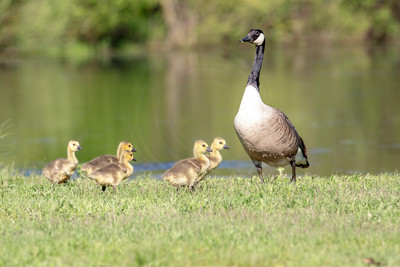
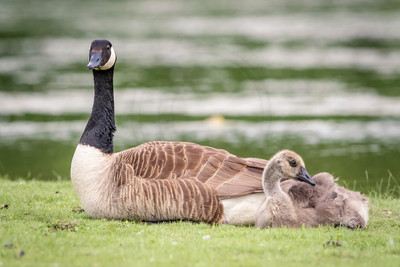
A favorite place of mine is Overlook Park in the Hudson Valley, where geese reliably raise goslings every year.
Diet
Geese are primarily herbivores. They eat:
-
grasses
-
aquatic vegetation
-
grains
-
seeds
Breeding
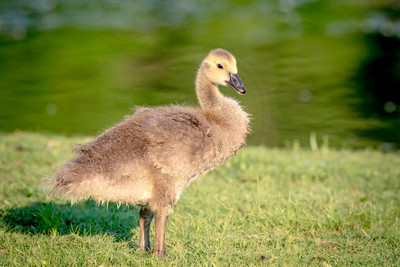
Canada Geese begin nesting early, often in March, and hatchlings appear by late April or May. Their family structure is one of my favorite aspects — both parents are attentive, protective, and highly entertaining to observe.
At Overlook Park, I've spent many late afternoons photographing goslings waddling around in fuzzy little groups, always closely guarded by their parents. While ducks may be more colorful, goslings win the award for cutest waterfowl children, hands down!
🕊 Gulls: The Under-Appreciated Athletes of the Sky
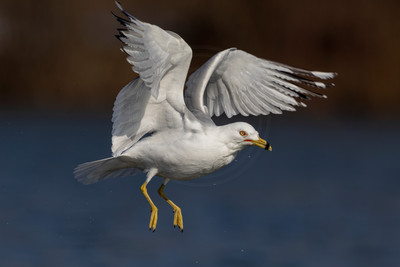
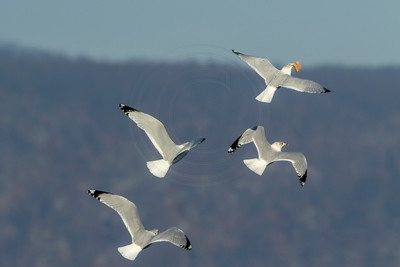
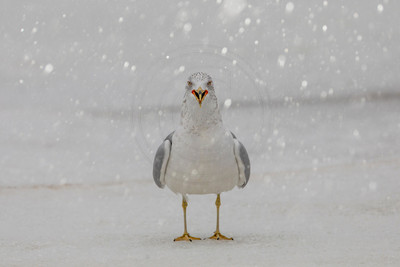
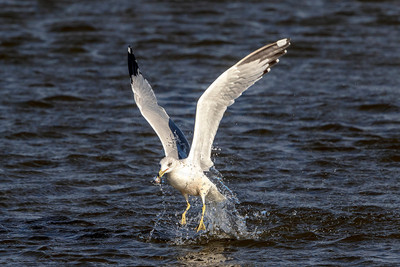
Gulls often get dismissed as “common” or “city birds,” but they are spectacular photography subjects — especially in flight. Their patterns are dynamic, unpredictable, and perfect for practicing tracking and exposure.
Habitat
Gulls are highly adaptable and can be found along:
-
coastlines
-
rivers
-
lakes
-
reservoirs
-
agricultural fields
-
city parks
Diet
Gulls are opportunistic omnivores who will eat:
-
fish
-
insects
-
crustaceans
-
eggs
-
small mammals
-
human food scraps (if available — though it’s not healthy for them)
Breeding
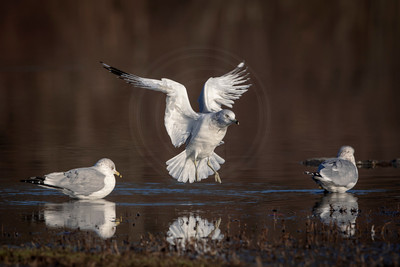
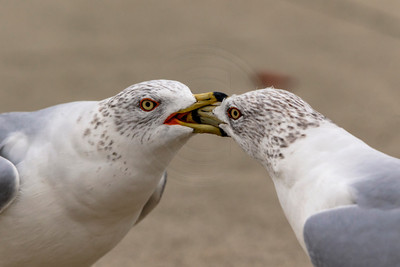
Most gull species nest in colonies, often along coastlines or islands. In the Northeast, Ring-billed Gulls, Herring Gulls, and Great Black-backed Gulls are the species most people encounter.
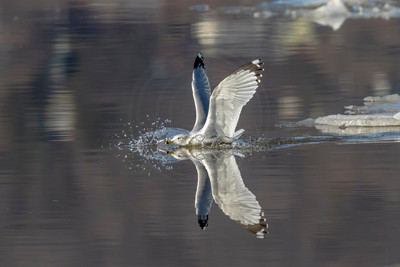
A favorite memory of mine is photographing gulls at the Conowingo Dam in Darlington, MD, where they take advantage of stunned fish passing through the dam. The abundance of fish brings in cormorants, great blue herons, and sometimes even eagles, resulting in unbelievable action photography.
Gulls are exceptional birds to practice with. Their bright white feathers are challenging to expose correctly, especially on sunny days, and learning how to adjust settings for them prepares you beautifully for photographing eagles or other birds in flight.
🌟 Memorable Waterfowl Adventures
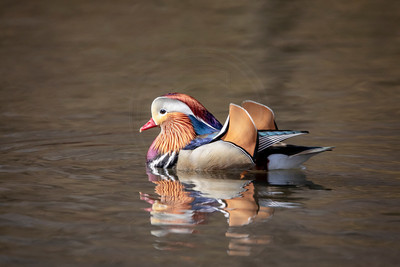
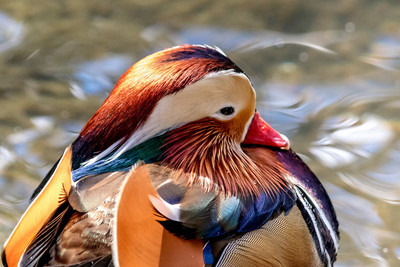
🦆 The Mandarin Duck of Central Park – A Once-in-a-Lifetime Visit
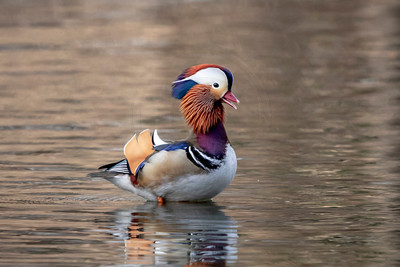
In 2019, when the famously stunning Mandarin Duck appeared in Central Park, I made the trip with friends — taking the train from Poughkeepsie and then the subway uptown.
He was everything photographers hoped for… except he stayed mostly on the opposite side of the pond during my visit. He graced us with one brief swim toward the crowd before retreating again. While I was thrilled just to see him, I secretly wished he’d given us more than that one moment.
Still, the day was beautiful — warm, sunny, full of laughter and excitement — and we kept ourselves entertained photographing the other ducks and small birds as we circled the pond waiting for his return.
🦢 Downing Park – A Photographic Treasure in Newburgh, NY
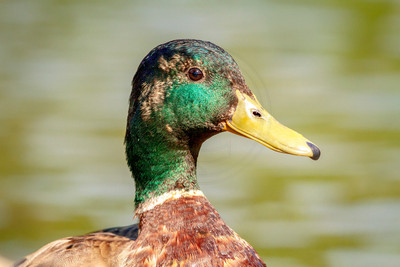
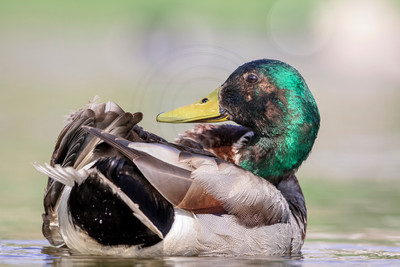
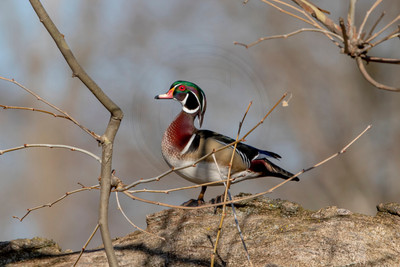
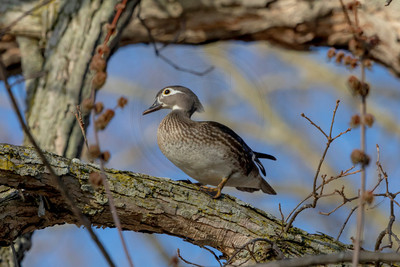
Downing Park is one of my favorite waterfowl hotspots in the spring. From March to May, we find mallards, wood ducks, Canada geese, gulls, and the occasional surprise species.
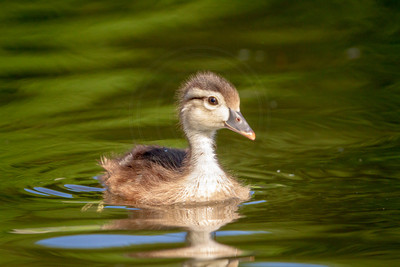
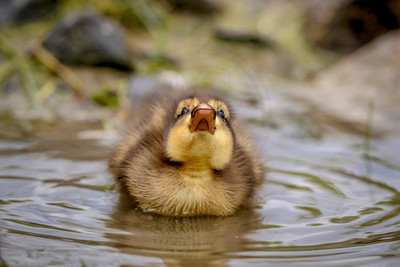
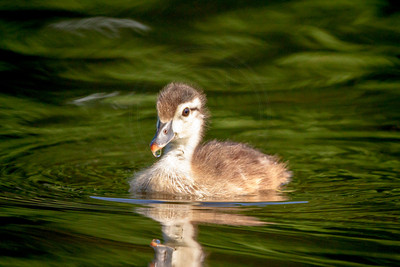
The birds here are incredibly cooperative — likely because thoughtful visitors feed them birdseed (and because we gently educate those who bring bread). It’s also an excellent location for photographing courtship displays, nesting behaviors, and young ducklings.
I’ve captured some of my favorite wood duck images here, and in some years, even watched them dart in and out of tree cavities — a privilege not many get to observe closely.
📸 Photography Tips for Waterfowl
Get Down to Their Level
Waterfowl images are more powerful, intimate, and eye-catching when shot low. I carry a yoga mat in my gear so I can comfortably lay on my belly at the shoreline.
Use the Best Light
The golden hours — morning or evening — offer soft, angled light without glare.
I personally prefer mornings, though laying on my stomach after a cup (or two!) of coffee is not always the most comfortable lifestyle choice.
Gear Recommendations
-
A zoom telephoto lens (100–400mm, 200–600mm) for flexibility
-
A prime telephoto (300mm, 400mm, 500mm) for beautiful bokeh
-
Your cell phone for fun close-up moments when the birds approach
I typically bring both a zoom and a prime to stay versatile.
💬 Final Thoughts
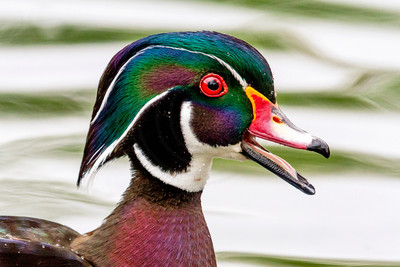
Whether photographing shy wood ducks gliding across a foggy pond, bold gulls soaring overhead at Conowingo Dam, or a family of geese strolling along the Hudson, waterfowl continue to inspire me with their beauty, humor, and resilience.
They’re accessible, fun, expressive, and full of personality — and every outing brings something new.
If you’re a wildlife photographer looking to improve your skills, waterfowl are some of the best teachers nature has to offer.
